It’s been 10 days for the reason that Muscle Car and Corvette Nationals (MCACN). Folks are nonetheless speaking about it everywhere in the Internet as a result of it’s an amazing show of muscle automotive historical past in a single secure area the place the drama of actuality aren’t in a position to penetrate. Valhalla? Nirvana? Whatever you wish to name it, it’s an superior present.
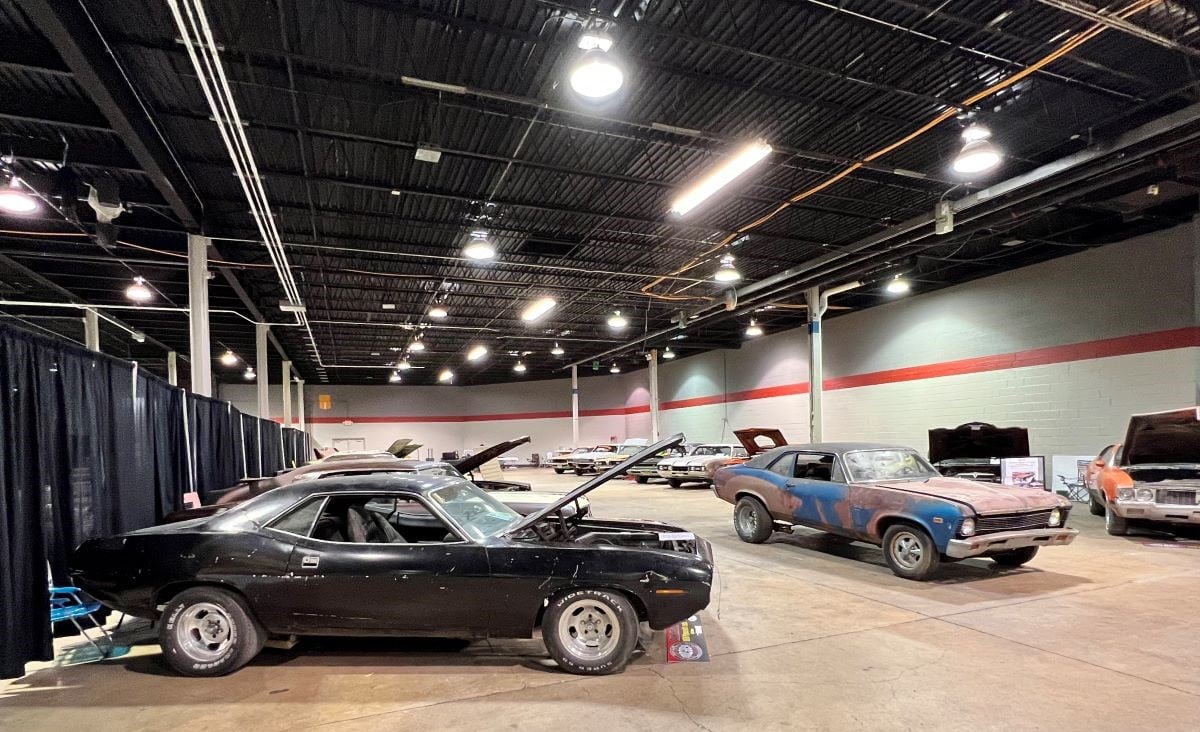
Perhaps the preferred show is Barn Finds & Hidden Gems. Curated by Ryan Brutt, the one and solely “Auto Archeologist” who travels all through the Midwest to search out the good autos hoarding has to supply, this show brings to you an identical sorts of vehicles he discovers in his travels. What was it like? Take a gander at these pics!
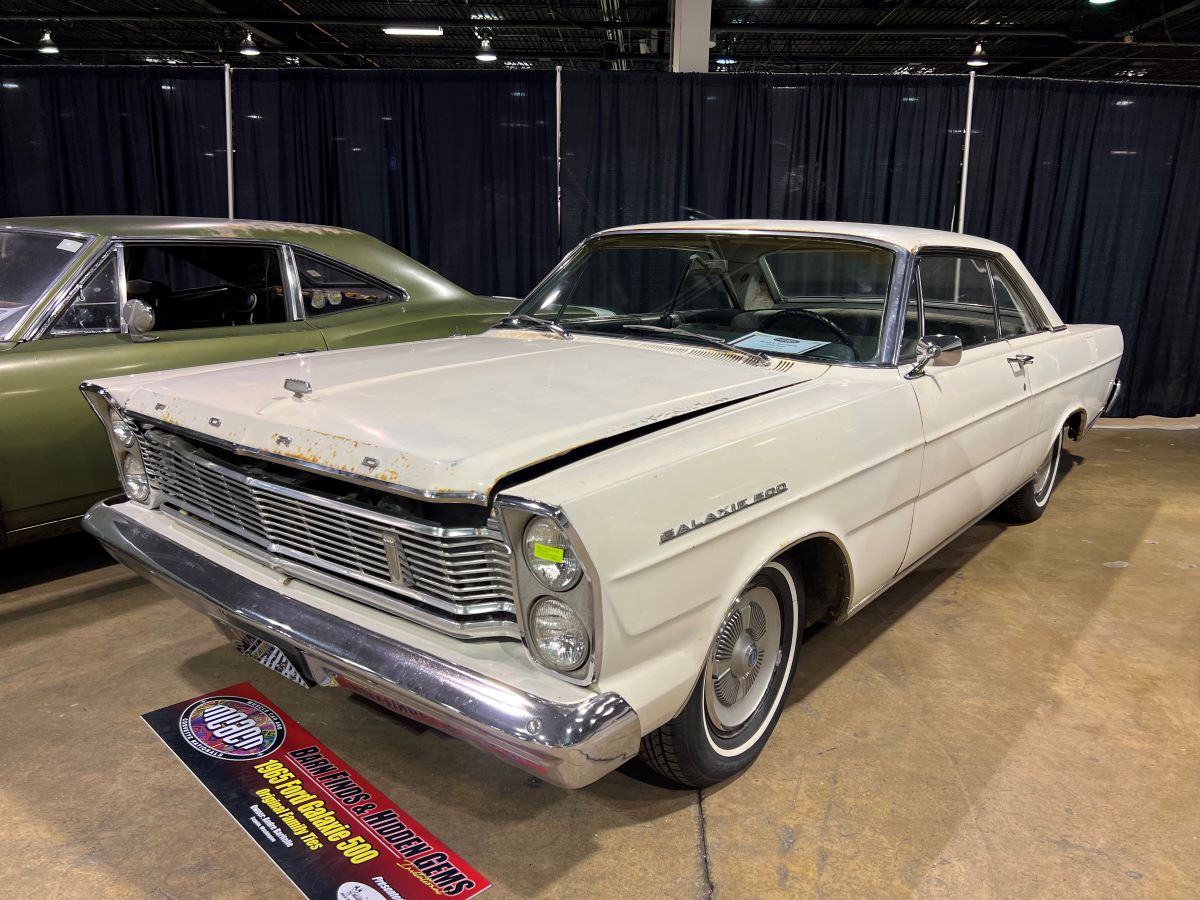
This 1965 Ford Galaxie 500 appears to be like prefer it wants little in comparison with others within the show. In the fingers of a relative of the unique proprietor, it lately was pulled out of storage in Washington state and cleaned.
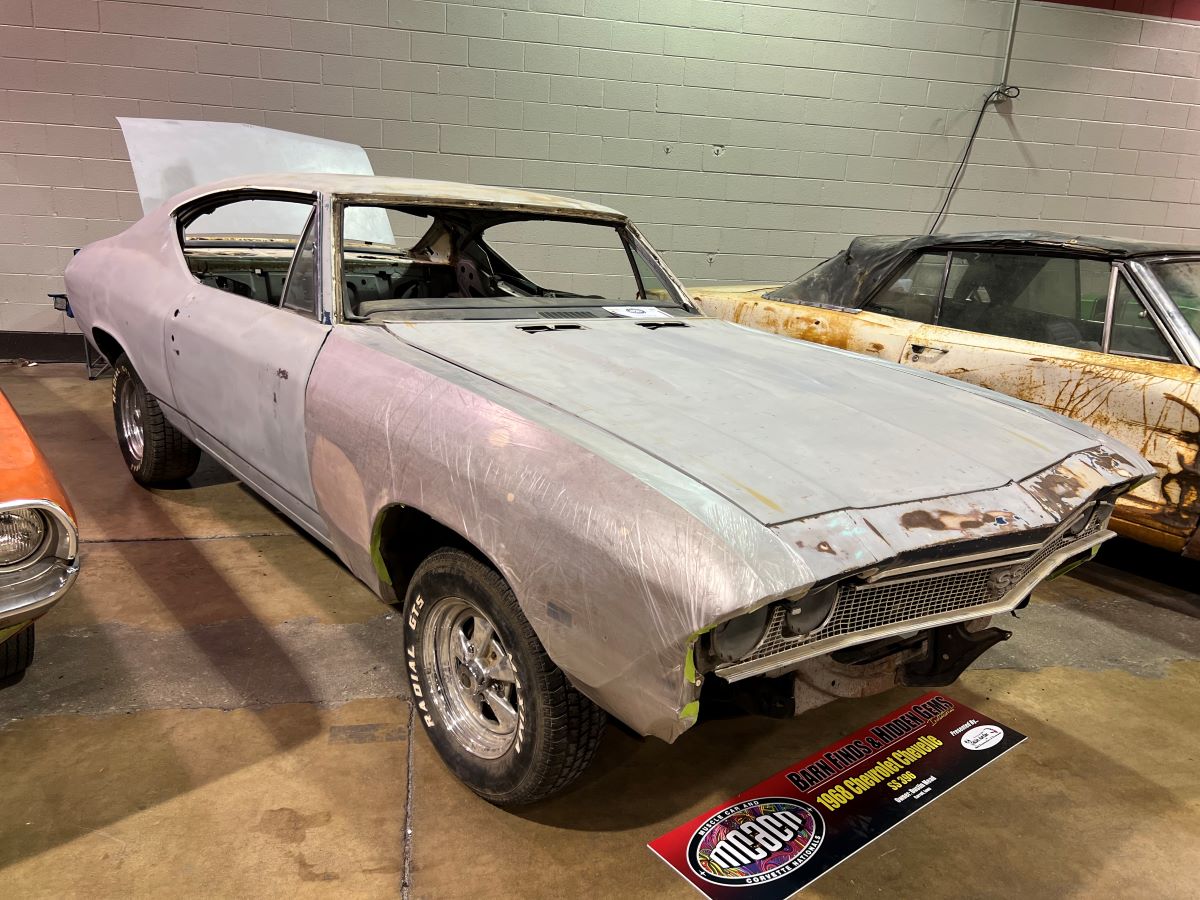
To distinction, this Iowa-based 1968 Chevelle SS 396 is extra typical of the sorts of vehicles you’ll discover within the Barn Finds show. No phrase on what sort of horsepower it was packing.
Only 515 Hurst/Olds Holiday hardtops and Sports Coupes had been inbuilt 1968. Though uncommon, there are nonetheless a handful ready to be found. Some, like Luke and Michelle Krooswyk’s (proper), can clear up properly and get operating properly sufficient to take part within the Pure Stock Muscle Car Drag Race.
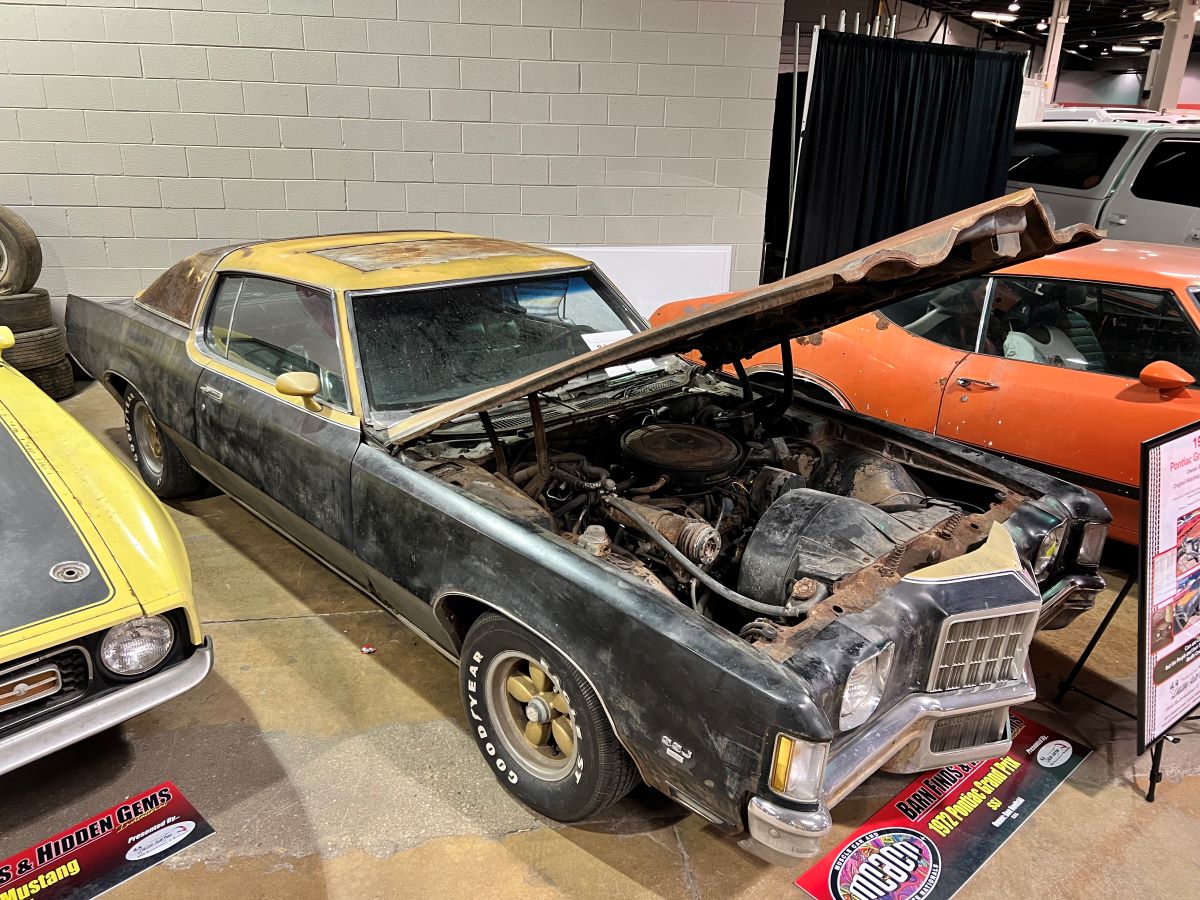
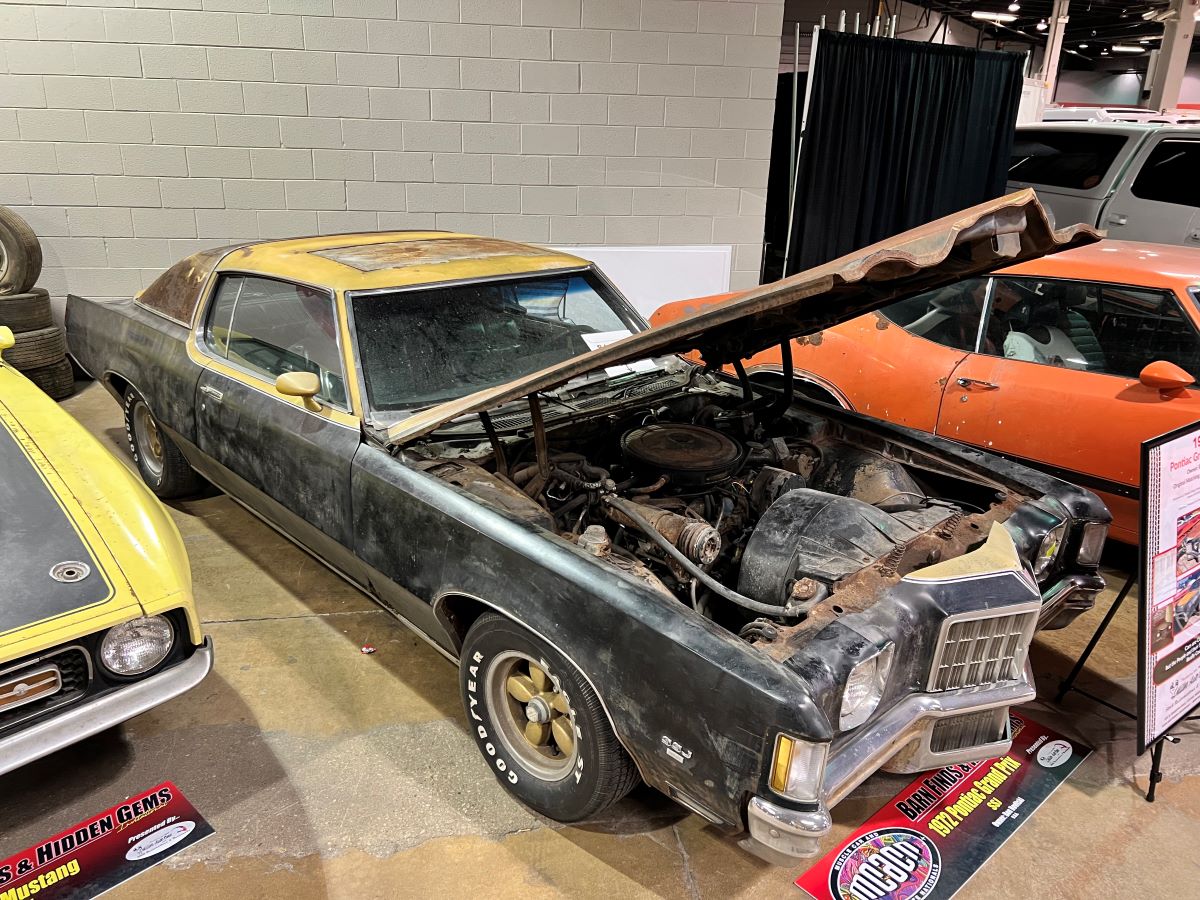
The Pontiac Grand Prix additionally acquired the Hurst therapy from 1970-72, with the particular mannequin being referred to as the Gran Prix SSJ. Standard colours had been white/gold or black/gold, although a number of had been inbuilt different colours per purchaser’s specs. All SSJs had been very deluxe, costly vehicles of their day. Note the sunroof on this ’72.
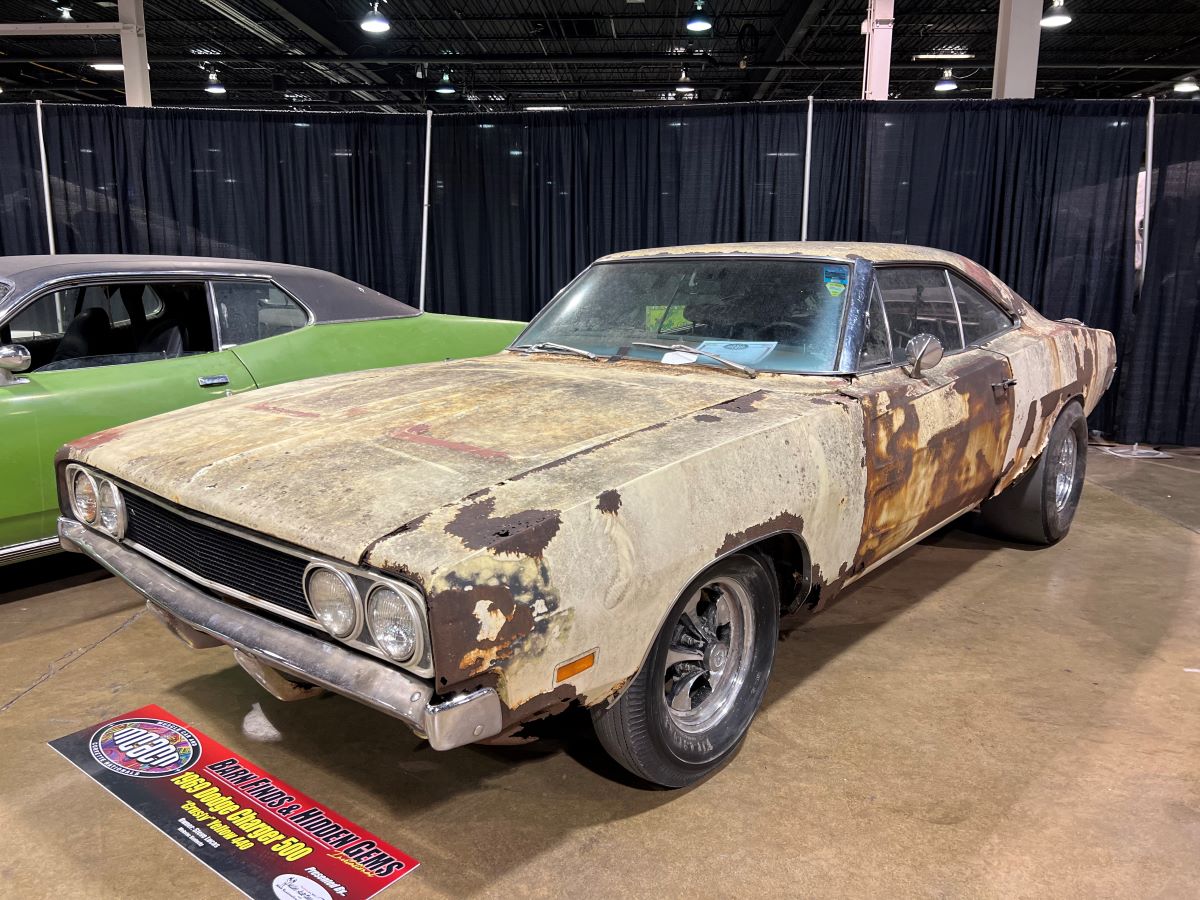
The 1969 Dodge Charger 500 was the primary actual entrant within the “Aero Wars.” Dodge each added a 1968 Coronet grille to the entrance (to get rid of turbulence from the front-end cavity) and altered the flying buttress backlite into one thing extra like a semi-fastback (once more, for turbulence). For years it was believed 392 had been constructed however really 580 had been produced.
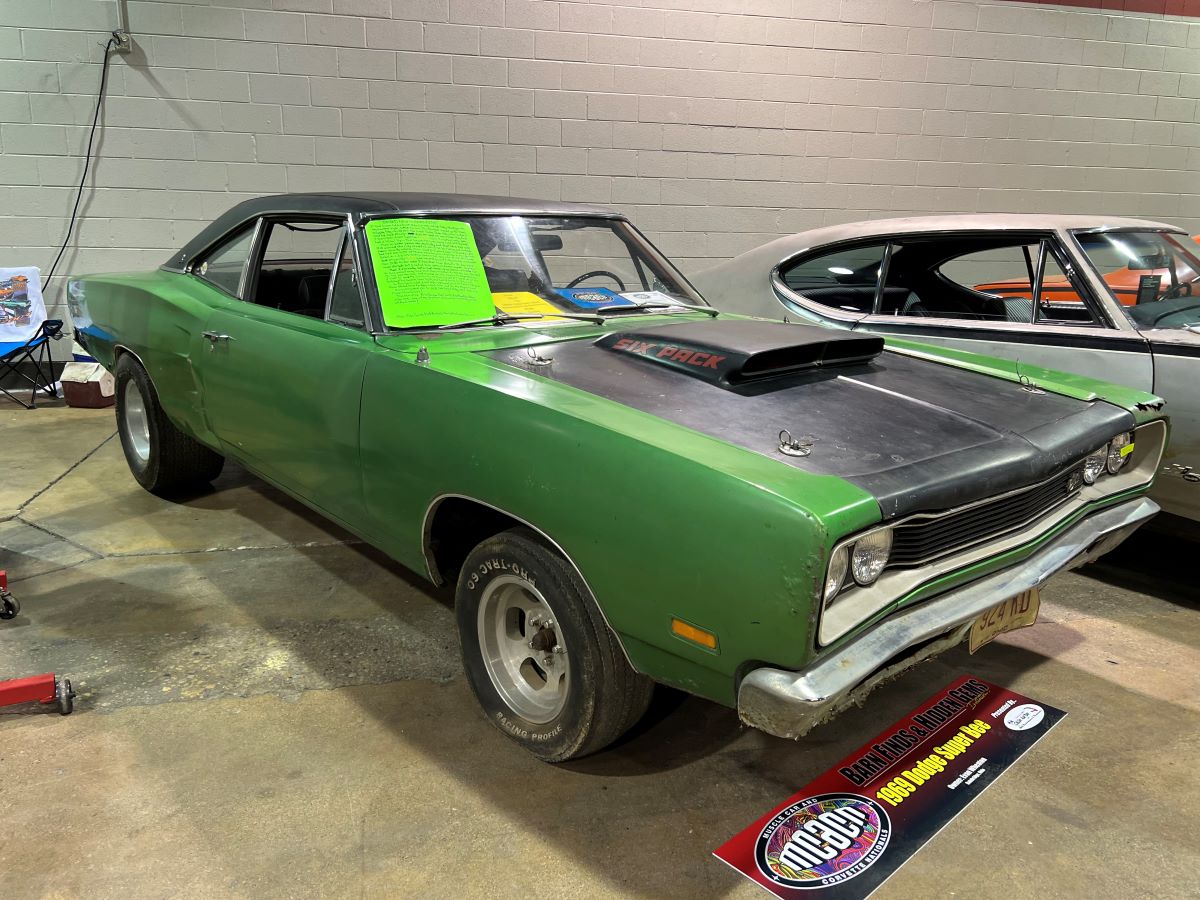
What is the last word muscle automotive constructed? If you stated an “A12” 1969 Dodge Super Bee with the 440 Six Pack, you simply could also be proper. With probably the most environment friendly air induction system recognized to man, 4.10 gears housed in a Dana rear, and black wheels with out wheel covers, amongst different options, this Super Bee was constructed for fans with a nod in the direction of avenue racing.
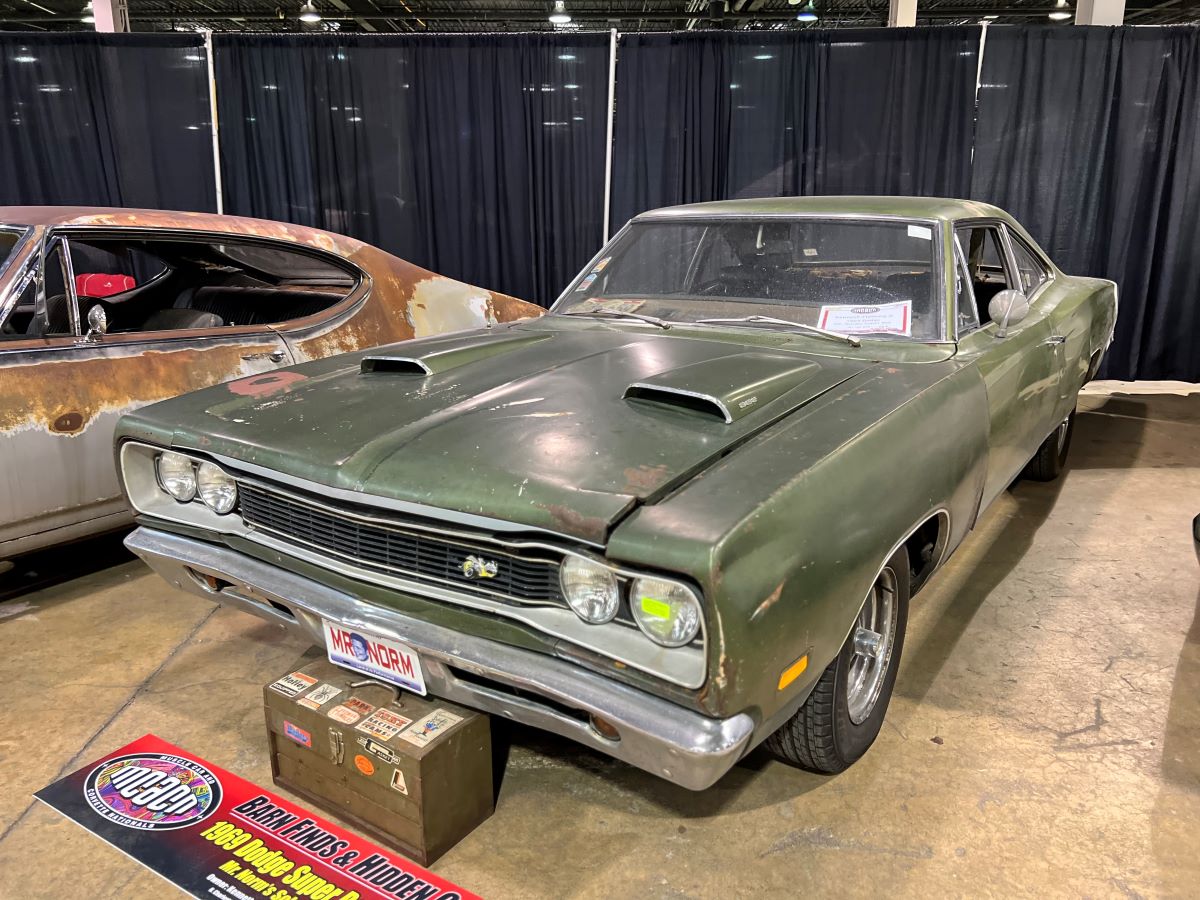
Compare that to this 383 Super Bee, which was Dodge’s bread and butter in the course of the period. This one was offered at Mr. Norm’s Grand-Spaulding Dodge in Chicago, maybe the phrase’s most well-known efficiency dealership for Mopars.
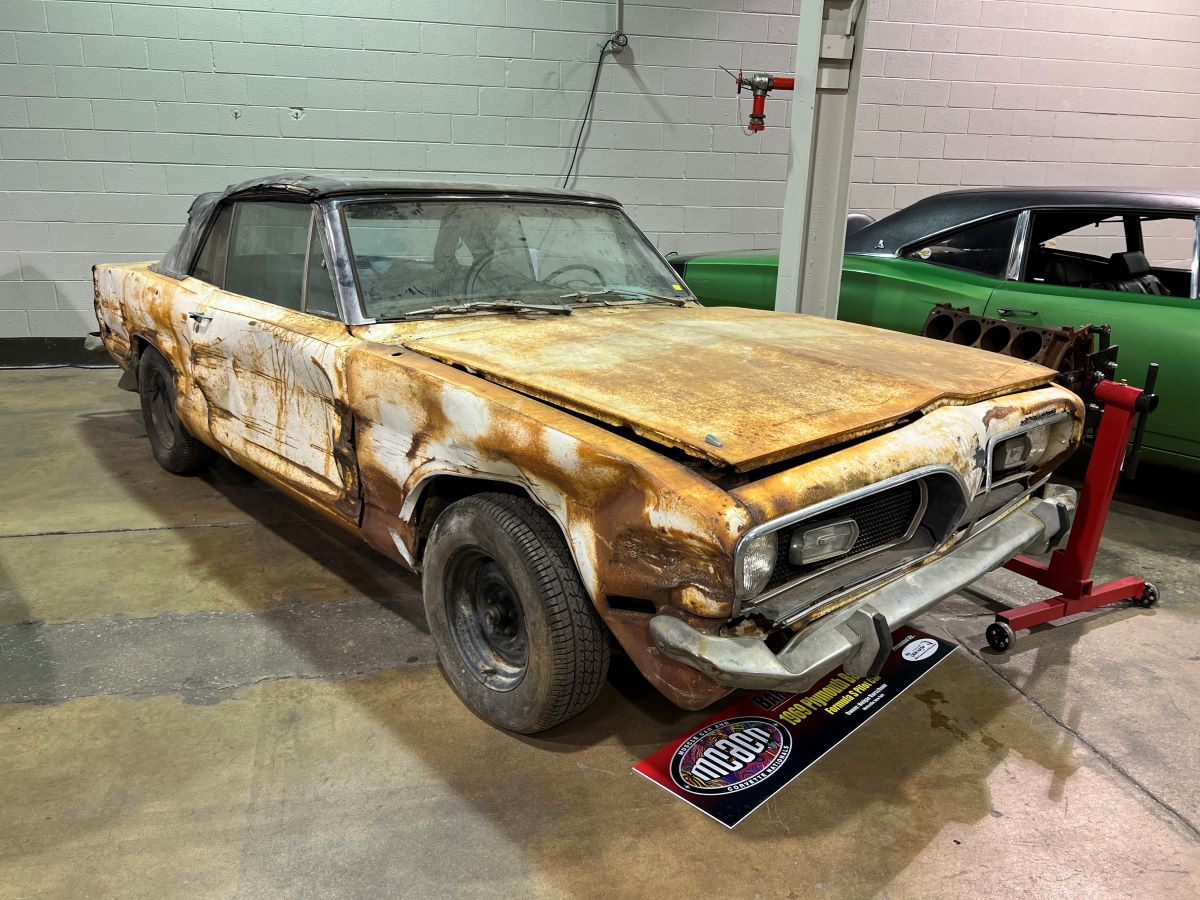
In 1969, the 340 engine was out there 3 ways on the Barracuda: customary, with the Formula S bundle, or the ‘Cuda 340 bundle. This convertible has the Formula S bundle (one in every of 83 constructed for the U.S.), nevertheless it’s much more particular as a result of it’s an early manufacturing pilot automotive.
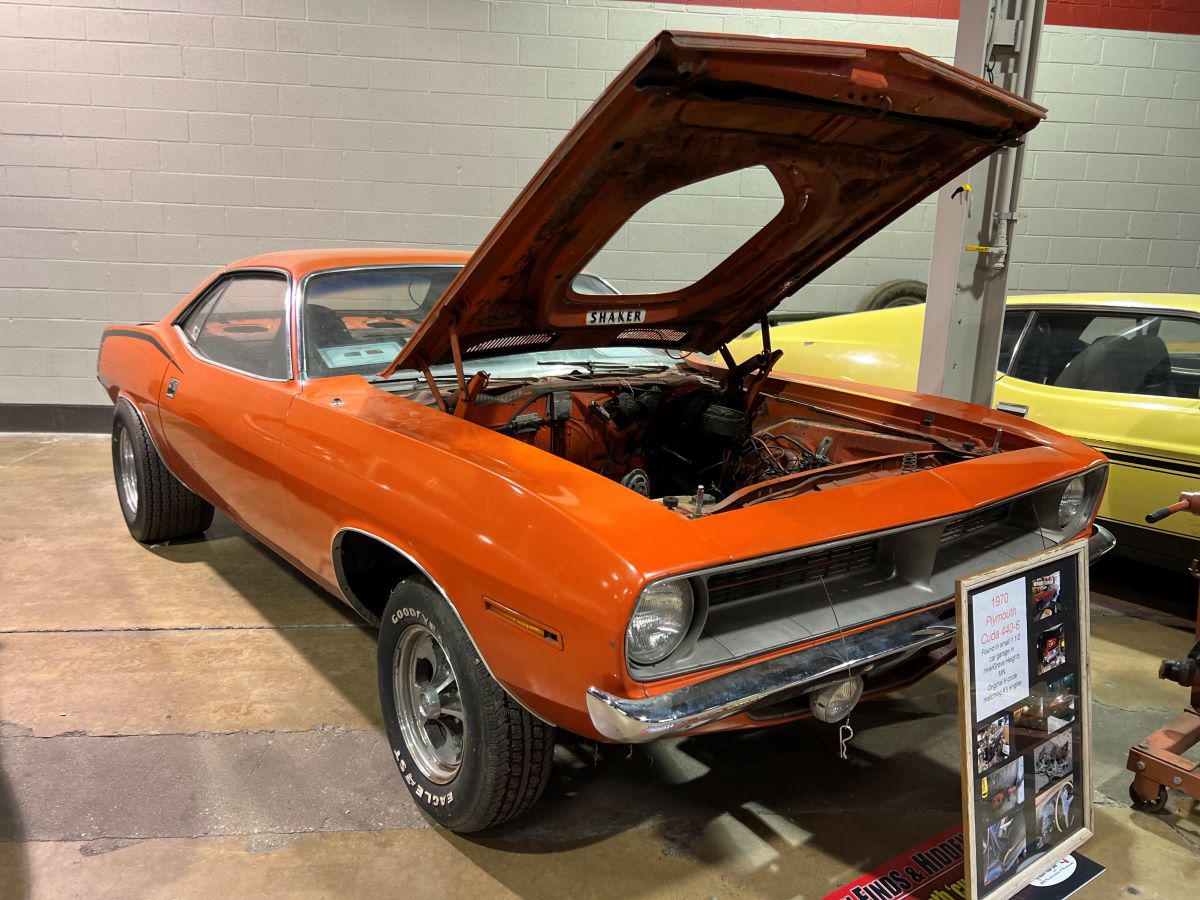
Of course, the Barracuda grew up in 1970. Gone was the Formula S, with the ‘Cuda now being the one efficiency mannequin. The 440 Six Barrel that turned a “factor” for 1969 A12 Road Runners and Super Bees was mainstreamed for a lot of Mopar muscle vehicles in 1970, together with the ‘Cuda. The Shaker hood was optionally available.
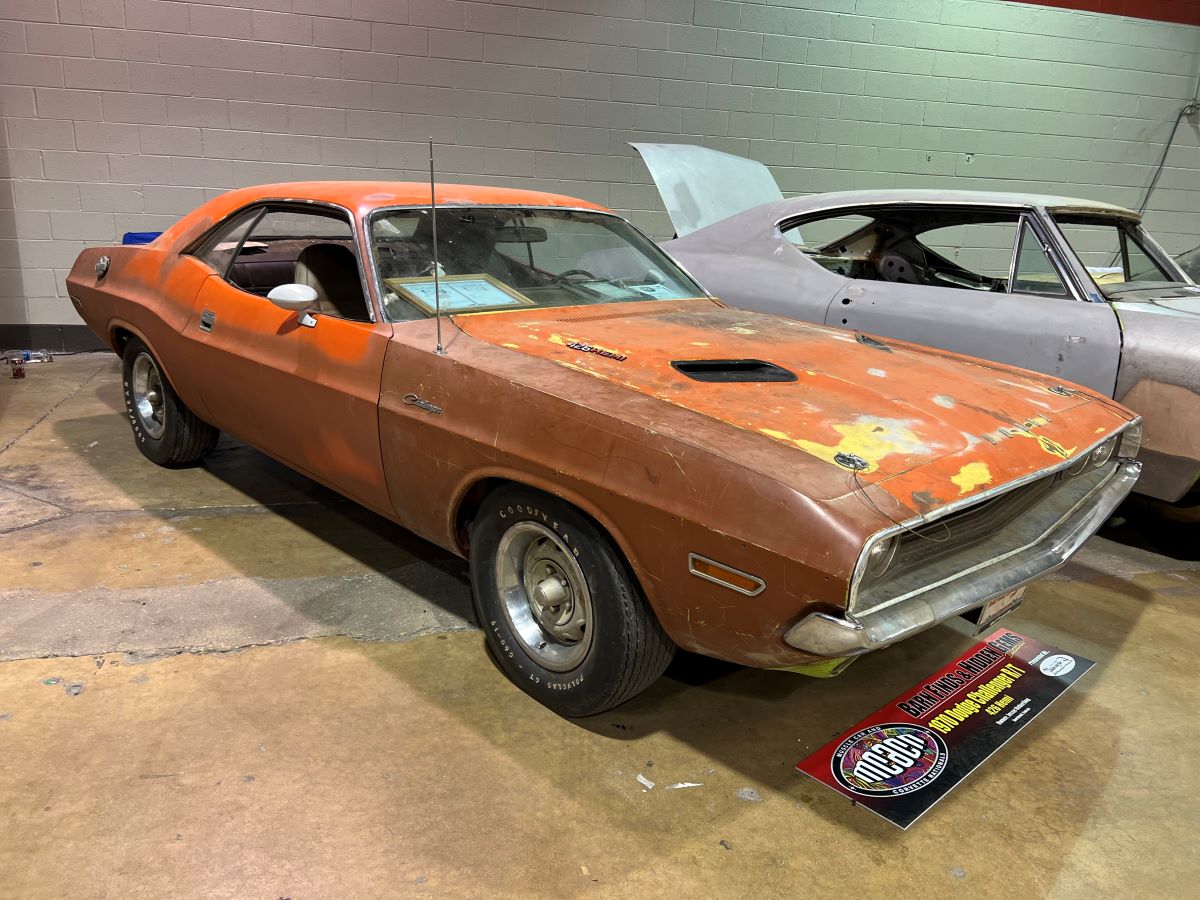
Dodge’s model of the Barracuda was referred to as the Challenger, in fact, nevertheless it was a brand-new mannequin for 1970. There had been gear variations between the 2 — for instance, the Challenger R/T got here with a tachometer customary — however the largest distinction was the Challenger’s longer wheelbase. This Challenger R/T has the 426 Hemi.
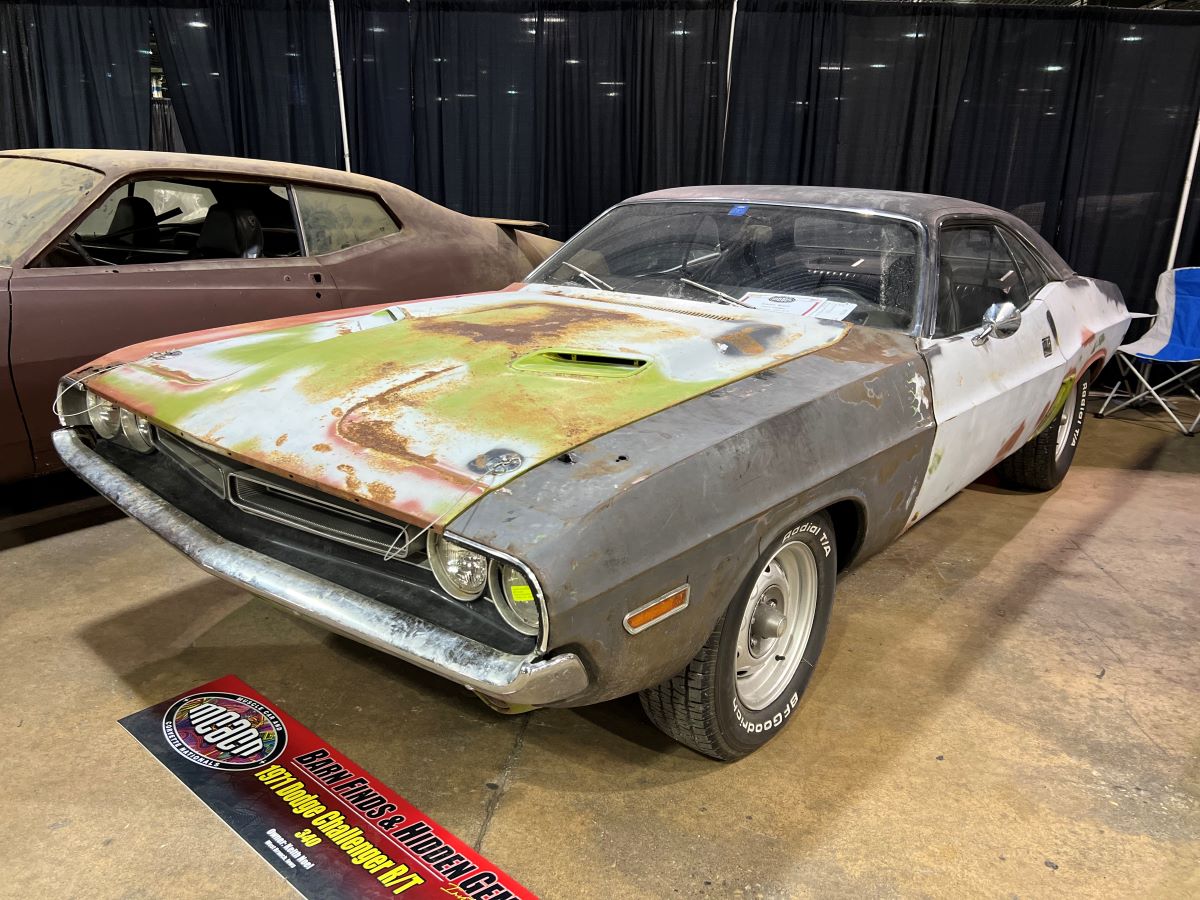
Compare the above with this 1971 Challenger R/T. The most noticeable variations are the brand new twin grilles and the simulated brake scoops on the rear fenders. This one has the 340, which was not out there on the R/T in 1970 — in case you wished a 340 in 1970, you needed to order the usual Challenger and go for the “A66” Challenger 340 Performance Package however, in 1971, the 340 was out there on each the usual Challenger and the R/T.
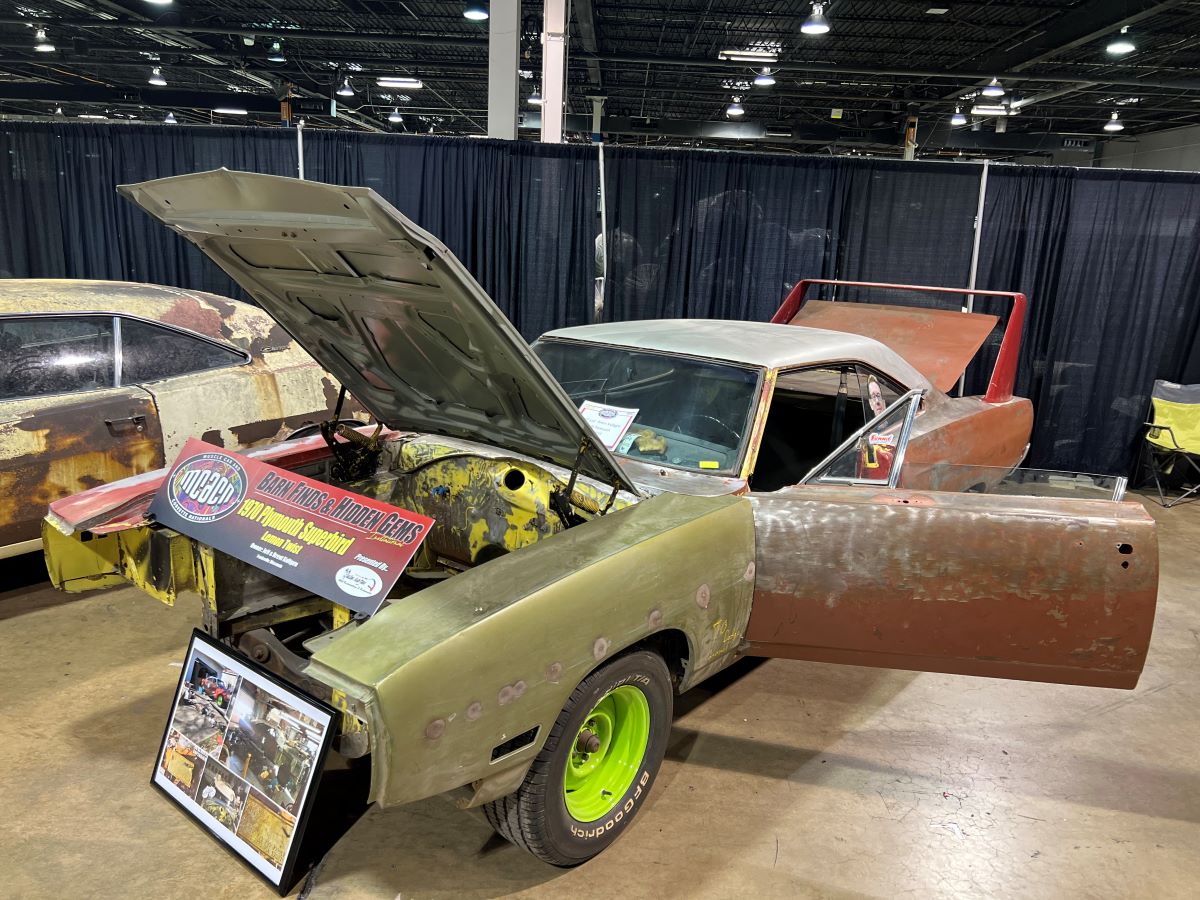
Everyone loves Wing Cars, even when some assume they’re ugly. They are among the many most fascinating muscle vehicles available in the market. Since Plymouth was compelled to constructed nearly 2000 of them in 1970 per NASCAR guidelines (one per every dealership), it must be no shock that there could also be a number of hiding from view. This one was initially Lemon Twist yellow.
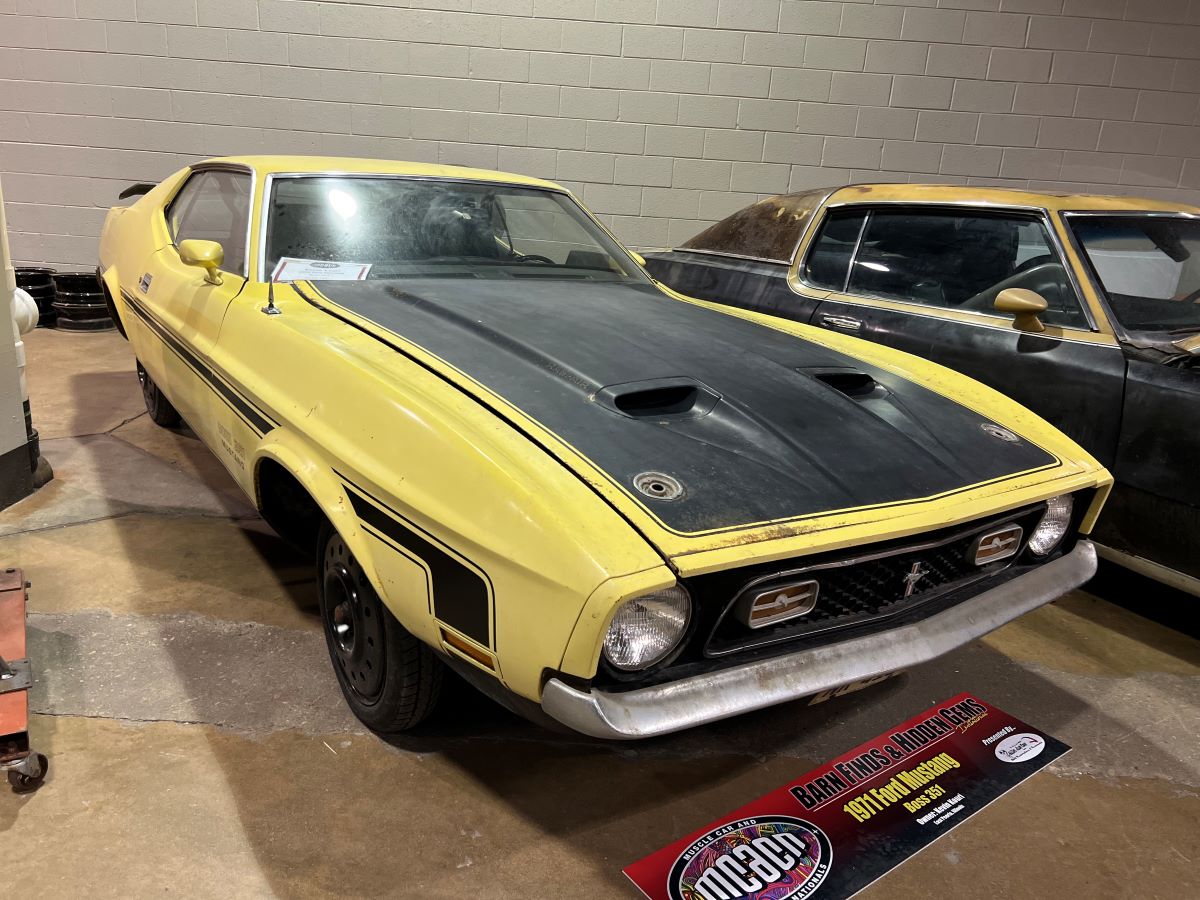
Ford folks swear the 1971 Boss 351 was the quickest small-block muscle automotive out of the showroom, and admittedly they do have a case. Though rated at 330 horsepower — the identical as an LT-1 Corvette and Camaro — authentic highway assessments present the Boss operating rings across the Bow Ties, plus each different scorching small-block that proceeded it.
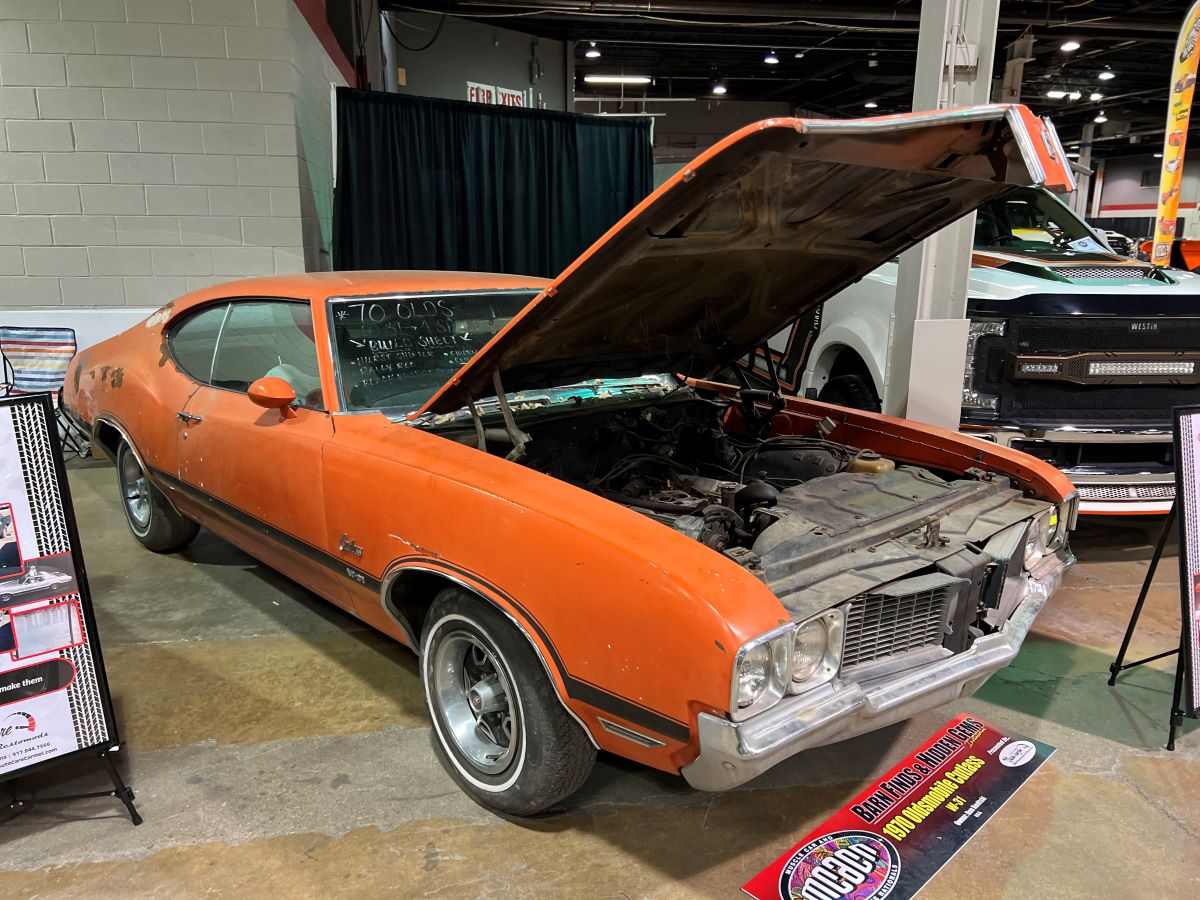
Um, excuse me, what in regards to the W-31? Oldsmobile of us prefer to assume their small-block W-Machine must be in rivalry for quickest small-block. Among the most well liked small-blocks within the period, Oldsmobile had the one one which was put in in a mid-size automobile. This Rally Red 1970 Cutlass S has the appears to be like and energy to run with extra substantial equipment due to its underrated 325-horsepower 350.
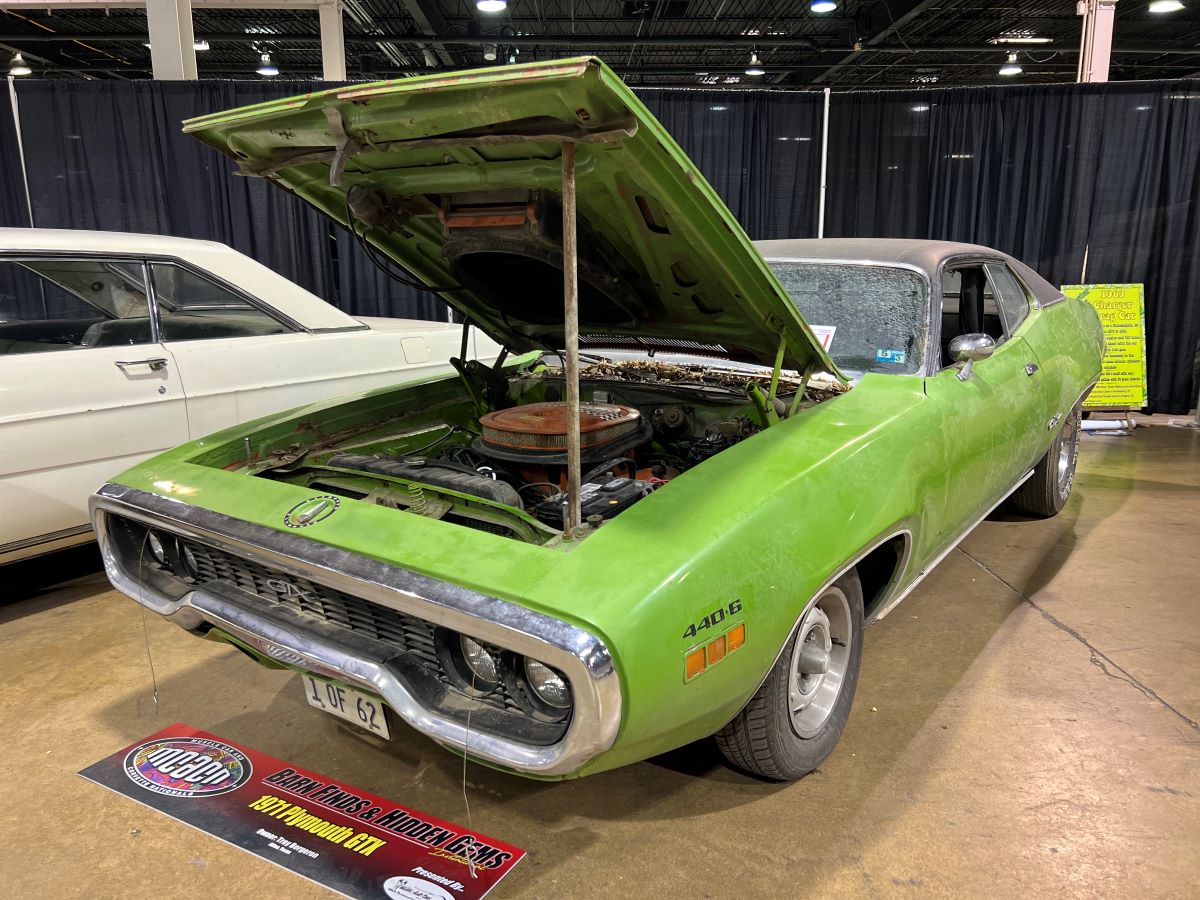
The GTX’s final mannequin 12 months was 1971, the 12 months that Plymouth redesigned its complete B-body platform. With a swoopy “Fuselage” design and sufficient choices to don’t have any two vehicles look the identical, you’d assume the 1971 GTX would have been successful, however a declining efficiency market meant that fewer than 3000 had been constructed. This one has all the nice containers checked: Sassy Grass Green, Air Grabber hood, 440 Six Barrel and four-speed.
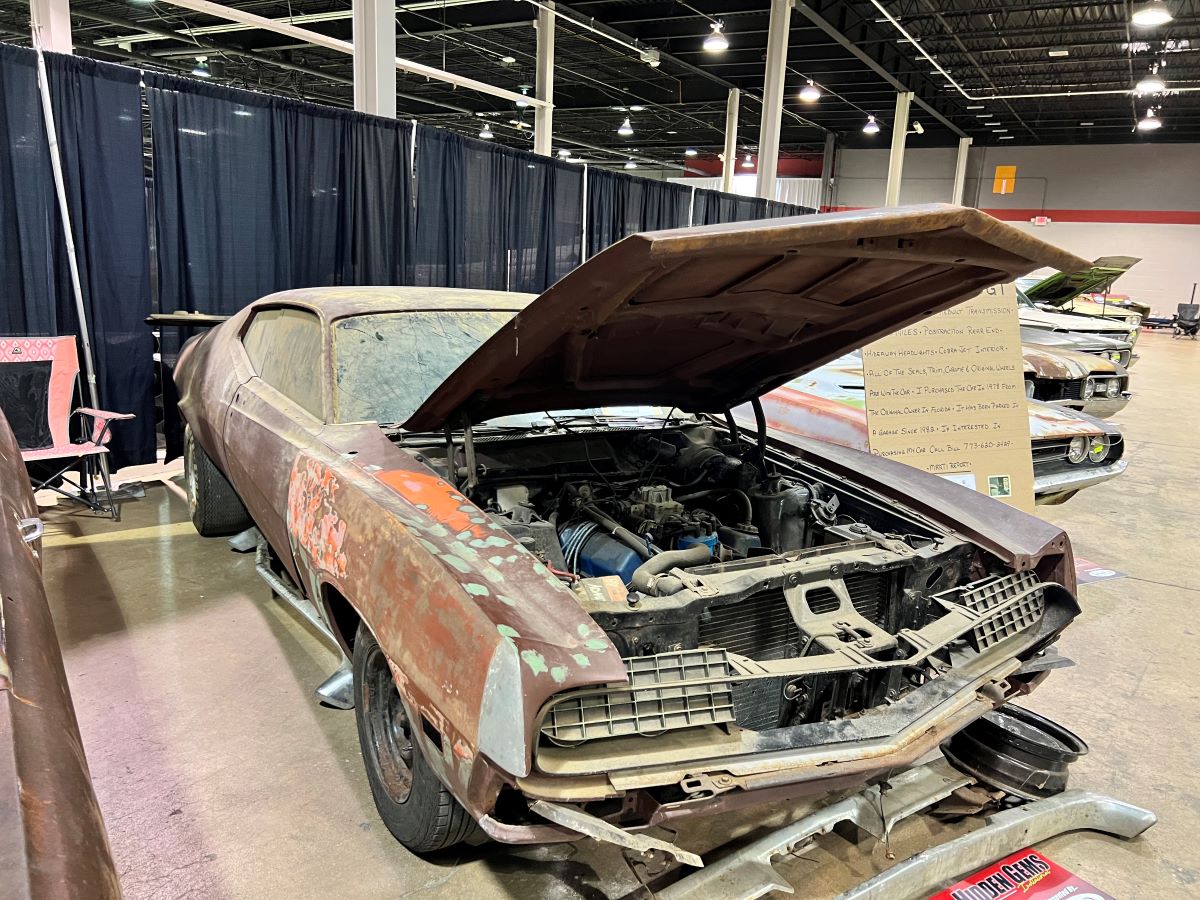
This 1971 Torino GT is a large number, however that’s a part of the attraction of a Barn Finds automobile — it’s extra in regards to the thrill of the discover than anything. Per the Marti Report, this maroon SportsRoof was initially ordered for seller inventory at Deel Ford in Coral Gables, Florida. It was initially painted Light Green with a inexperienced vinyl bench seat and got here with a 351 two-barrel and C-4 computerized. Other notable choices included “Laser” stripes and air con.
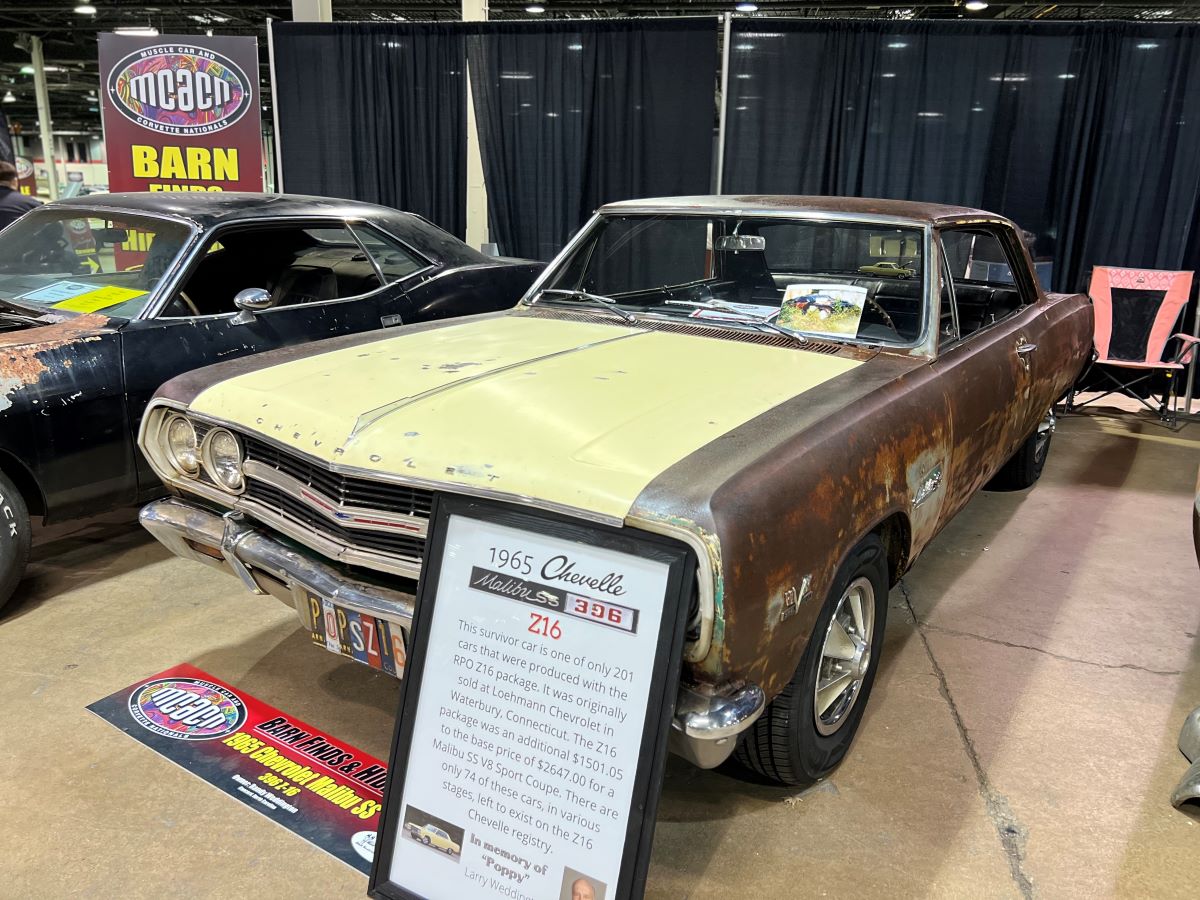
When Chevrolet launched the 396 firstly of the 1965 calendar 12 months, it was solely out there for the Corvette and full-size autos. For some motive, Chevrolet felt making a particular deluxe Chevelle with the engine was a greater technique to compete with the GTO than mainstream it into the Chevelle collection (sarcasm implied), however that’s what Chevy did. All 201 constructed had been equally loaded apart of being Tuxedo Black, Regal Red or Crocus Yellow.
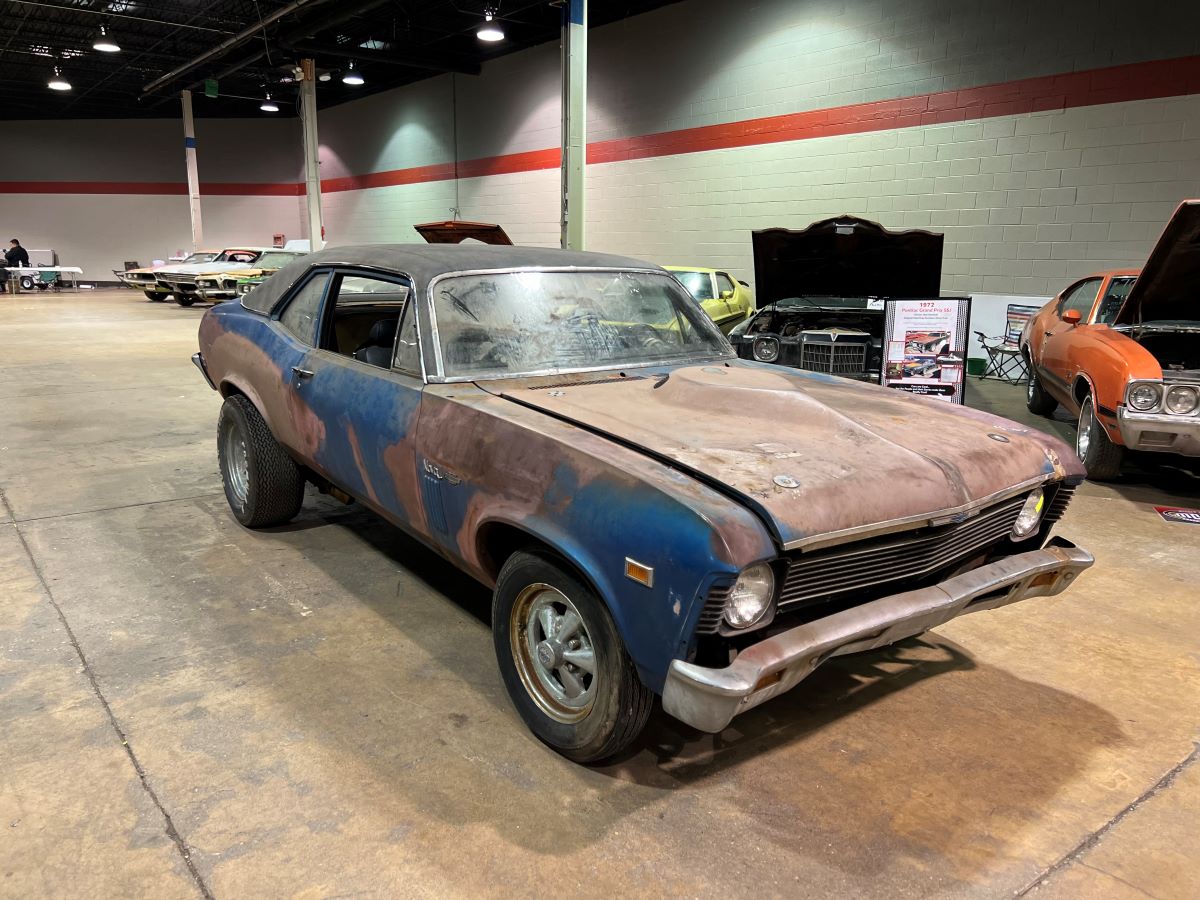
Yenko Novas are probably the most enigmatic of the 1969 Yenko supercars. Unlike the Camaro and Chevelle, the Nova was not a COPO order, so Don Yenko needed to transplant the 427 prefer it did for 1967-68 Camaros. A 425-horsepower 427 in a light-weight Nova was past the scope of Chevrolet, nevertheless it was throughout the scope of Chevrolet fans. Reportedly, solely 37 had been constructed, and supposedly some had been offered as 396 vehicles with out the 427 transplant.
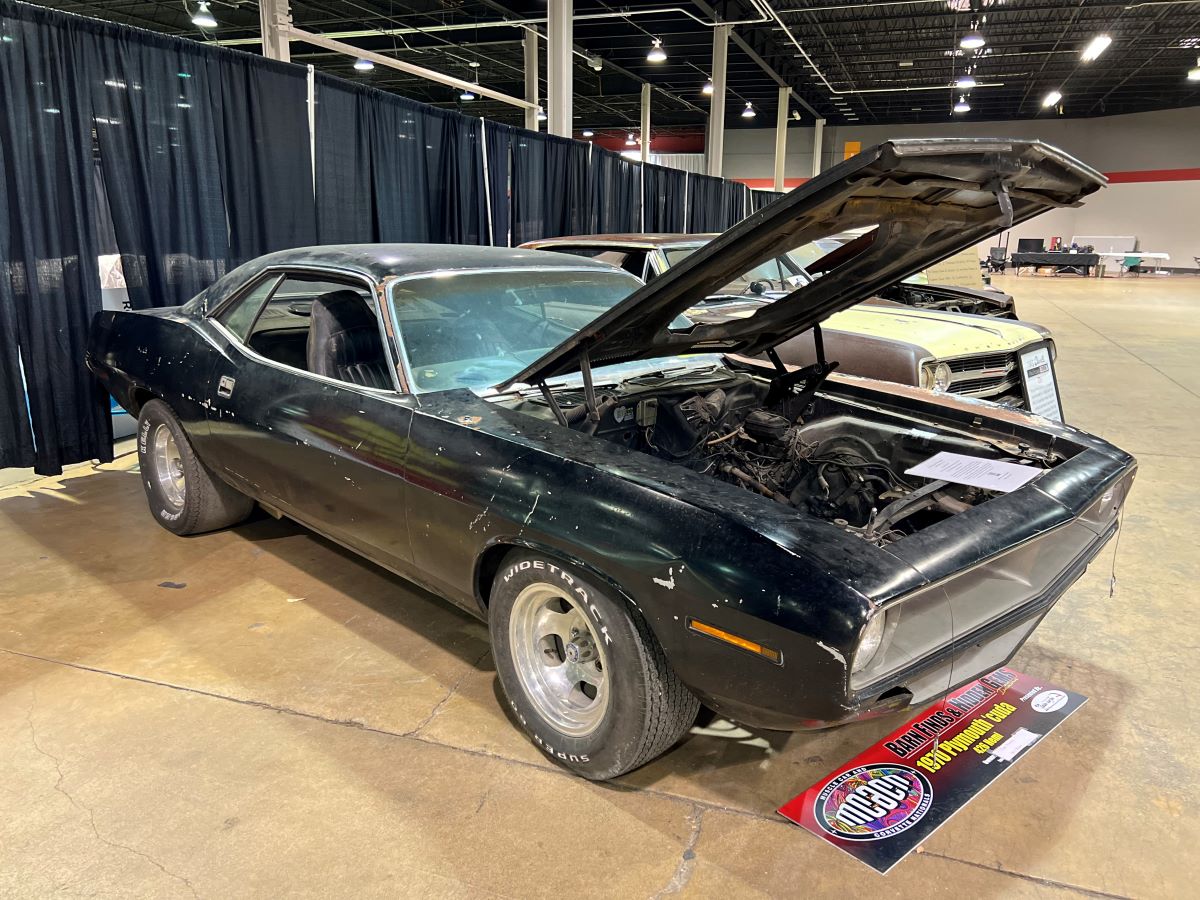
And we’ll go away you with this 1970 Hemi’Cuda hardtop. Black was not a robust efficiency colour in 1970 the best way it’s now, however the hue appears standard amongst Hemi’Cudas, particularly the convertibles as three of the 14 U.S.-spec ragtops had been black.