Every from time to time whereas I’m doing analysis for an article to put in writing for this site, I get pissed off by how little info sure automakers present about their previous fashions. History is such an vital a part of an automaker’s success and its bond with generations of consumers so it could be logical {that a} automotive firm would need to publish the info of its autos as a substitute of letting folks of outdoor of the corporate do it. That’s what BMW Group Classic is now doing for a wide range of its mannequin strains from the Nineteen Twenties by the 2000s as a part of its online Product Catalog.
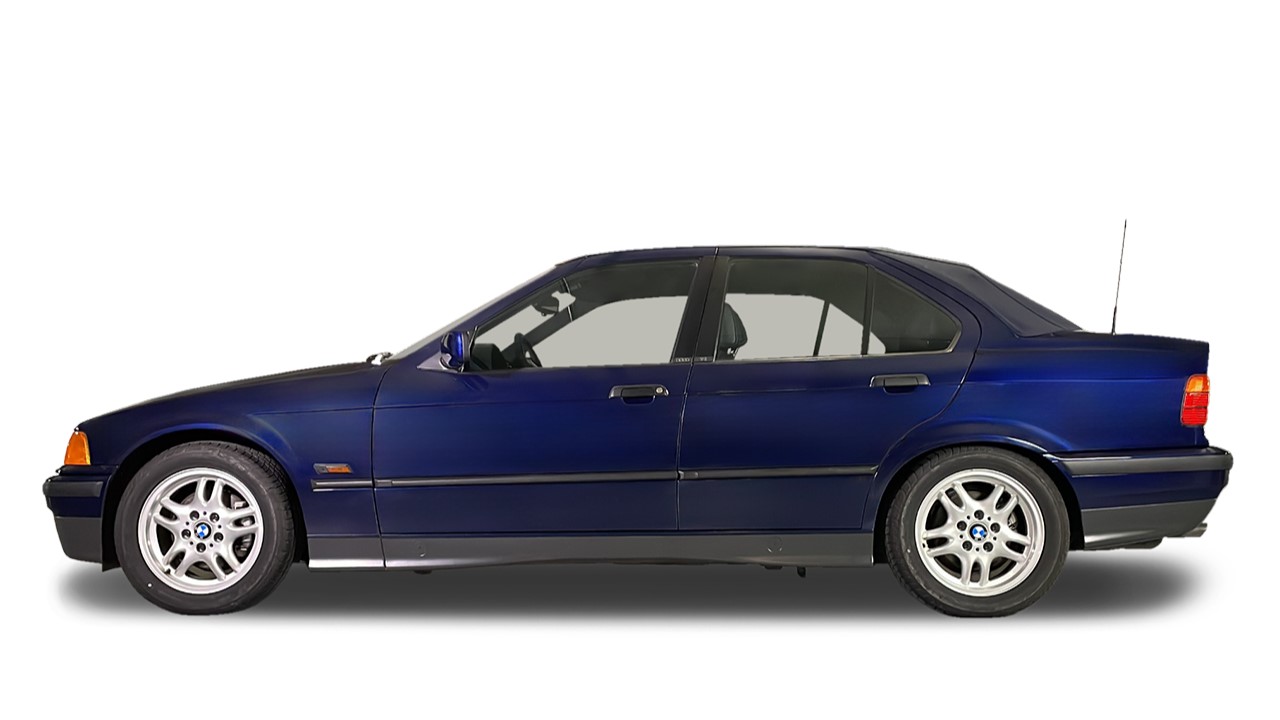
There are three fundamental methods to navigate by the entire info. At the highest of the menu, you’ll be able to choose by sequence, akin to Pre-War Automobiles, Post-War Classics, or the varied alphanumeric sequence – assume 3, 5, X, Z, and so on. As you’ll be able to think about, the 3 Series archives are in depth. Many of the fashions had been acquainted, however one in all them specifically got here as a shock: the E36 Baur Topcabriolet. According to BMW Group Classic, “The four-door convertible offered four different roof variations. The side-window frames and the roll bar remained the same, the fixed roof over the front seats could be removed in the same way as a Targa top, and the soft rear-roof section with a rear window comprising a glass panel with a heater could be opened like a landaulette roof design.”
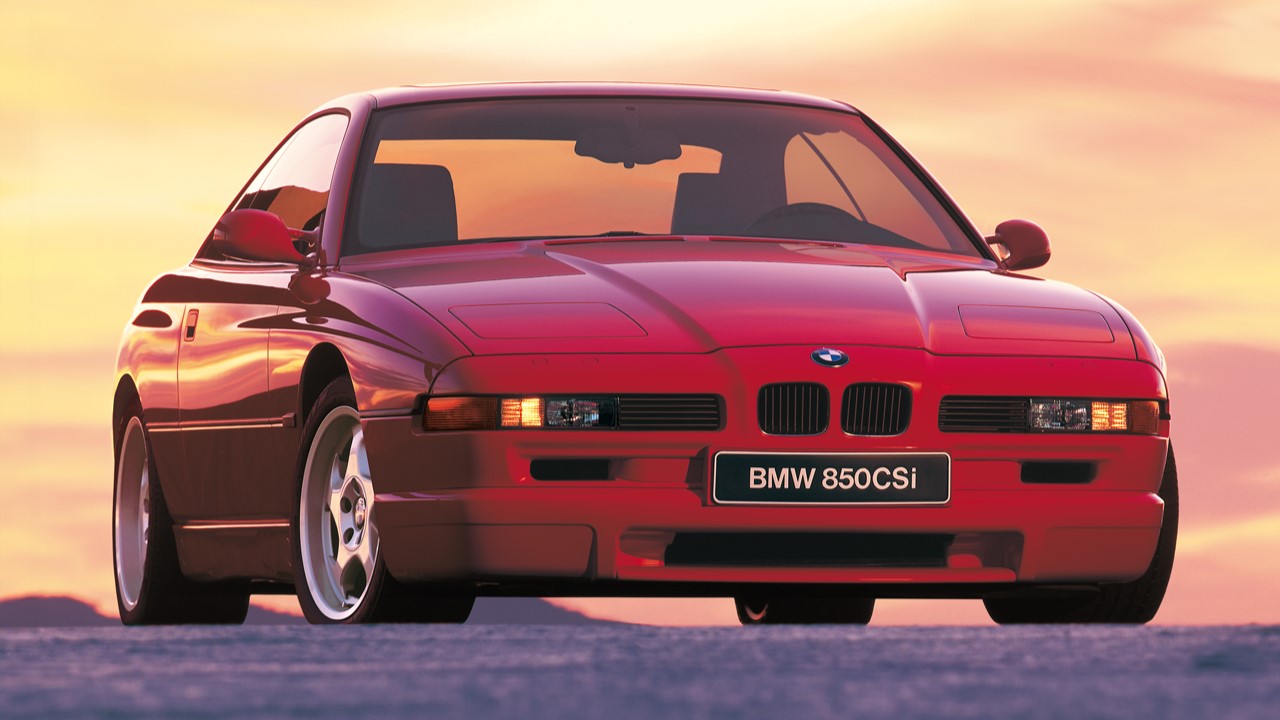
You may also peruse the database by decade and be taught concerning the 507 of the Nineteen Fifties, mid-engine M1 of the late Nineteen Seventies/early Eighties, or the 225 U.S. variations of the V12-powered, six-speed-manual-equipped 850CSi made within the Nineties.
The third and remaining layer of the product catalog is Body Types, together with Touring (aka wagon) and SAV (Sports Activity Vehicle), a time period first used on the unique X5 that debuted in 1999.
Unfortunately, there’s no part the place BMW drivers can study utilizing their flip alerts.