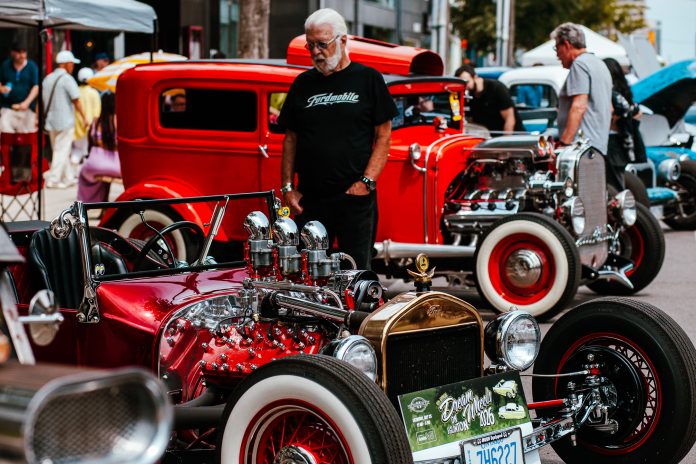
FBHVC and HCVA each need to make it more durable for classics to be lumbered with Q-plates
The name for proof by the Driver and Vehicle Licensing Agency (DVLA) regarding its present insurance policies and registration processes for historic, classic and rebuilt automobiles is gathering tempo, with each the Federation of British Historic Vehicle Clubs (FBHVC) and Historic & Classic Vehicles Alliance (HCVA) compiling detailed responses to assist as many events as potential negotiate the advanced 46-question type. And whereas there are nuances in every organisation’s response, each need to see changes made to allow extra classics to retain their unique registration numbers, as opposed to being allotted a Q registration.
The distinction in response considerations the edge at which a Q-plate must be issued, if in any respect. For context, each organisations agree there isn’t any want for the DVLA to have a ‘rebuilt vehicles’ class, and that ‘restored’ can be utilized as an alternative. However, they differ in how far ‘restored’ might be taken with out the car’s id being affected. The Federation really feel that, while the usage of new elements is unavoidable (and that this must be recognised) there must be sufficient of the unique automobile remaining to allow a suitably educated particular person to establish make, mannequin and approximate yr of manufacture.
In the Federation’s view, like-for-like repairs carried out to an excellent high quality normal mustn’t have an effect on the id of the automobile, nor ought to minor modifications (e.g. the addition or deletion of a small bracket or the drilling of holes). Modifications related to these identified to have been carried out in interval must also not have an effect on the id. Safety-related changes, reminiscent of becoming seatbelts, must be thought of on their deserves by a technically competent assessor.
The Federation feels {that a} Q registration shouldn’t be assigned till all options have been exhausted. It argues that unique registration of the automobile must be retained the place potential to protect the heritage of the automobile, and if this isn’t potential, an age-related plate must be issued.
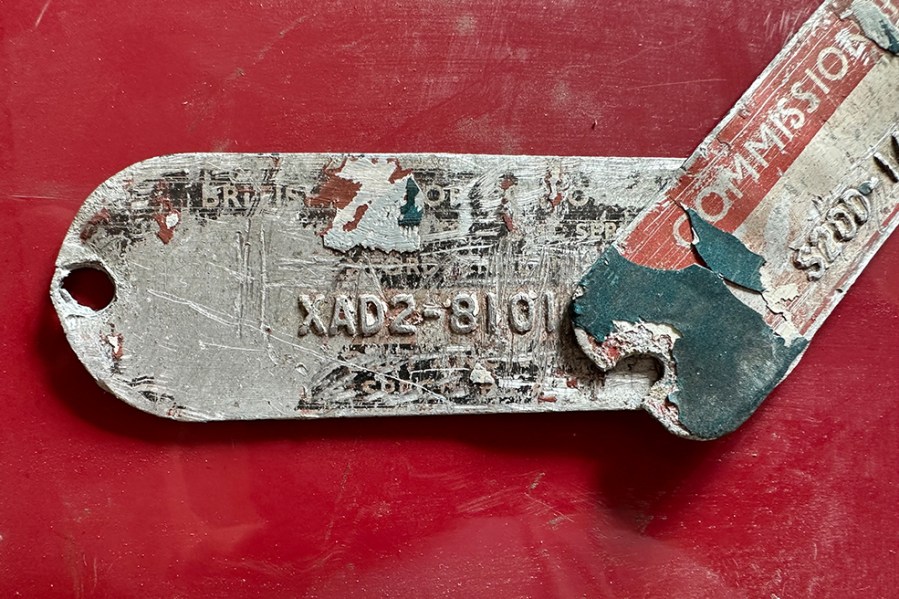
Both the FBHVC and HCVA are in opposition to allocating a brand new automobile identification quantity (VIN) except completely obligatory
However, there’s a line: the Federation’s stance is that elimination, addition or alteration of main elements such because the roof from a monocoque physique must be thought of as a brand new id. Only these cases ought to trigger a Q registration to be issued.
Regarding a brand new DVLA automobile identification quantity (VIN), the Federation’s place is analogous. Its response talks in regards to the function of specialist historic automobile golf equipment, which might reference archives, related automobiles and knowledgeable members. It feels all avenues of this nature must be exhausted earlier than a automobile is “defaced” with a brand new VIN. It feels these ought to solely be allotted when no different identification might be established or when the unique id of the automobile has utterly modified.
The HCVA, in the meantime, has proposed a response that seemingly makes Q-plates and DVLA VINs all however unattainable. It feels there isn’t any ‘fine line’, and the automobile’s id isn’t introduced into query by rebuilding or altering a chassis or monocoque bodyshell, and DVLA ought to by no means take away an unique registration or VIN from a automobile due to it being rebuilt.
To reiterate the purpose, the FBHVC’s place is that the present steering on ‘radically altered’ automobiles and the factors system used (the place 8 or extra factors are required to retain is the unique registration) continues to be broadly related, however must be prolonged to embrace used chassis/monocoque/body as in lots of circumstances new gadgets should not obtainable – thus opening up better flexibility when developing vehicles interval elements.
However, the HCVA’s opinion is that the time period ‘radically altered’ ought to solely apply to automobiles so drastically altered that the unique historic automobile has ceased to be. The level at which that line is crossed must be determined by a stakeholder group of specialists alongside DVSA and DVLA, with the present factors system deemed not match for function. For the HCVA, EV-converted classics additionally match on this class, whereas FBHVC deems electrical conversions as now not being historic automobiles.
The HCVA believes that the one justification for rescinding a registration quantity is within the very uncommon case that one other automobile has a extra legitimate declare to that registration quantity. In such a case, adjudicated by business specialists, golf equipment and from knowledgeable inspection, the allocation of an age-related registration quantity, not a Q, must be the default place.
Similarly, it believes the DVLA ought to by no means problem a brand new VIN to a historic automobile except it has no declare to an unique registration quantity and there’s no chassis/body quantity displayed on the automobile or identifiable to it from archival sources. In an identical vein to the FBHVC, the HCVA feels there are sufficient sources on the market, together with golf equipment, producers and archives, to verify id in these circumstances. Where doubt stays, it recommends an impartial stakeholder panel consisting of business and marque specialists, together with DVLA colleagues, to arbitrate.
Although the FBHVC and HCVA’s responses don’t absolutely align, the need to transfer away from Q-plates as a default is definitely a constructive transfer in conserving classics on the street and preserving heritage. We’re inquisitive about your ideas on this one – are there circumstances the place Q-plates are nonetheless applicable, or are they now not so? Let us know at ccb.ed@kelsey.co.uk
What is a Q-plate?
If the DVLA has doubts a couple of car’s age or id, a Q-plate might be assigned to that automobile. The registration quantity will carry the letter Q in its prefix, therefore the identify.
Normal makes use of for Q-plates embrace equipment vehicles, ex-MOD automobiles with labeled backgrounds, some private imports, in addition to the contentious ‘reconstructed’ classics and people with no VIN. Some closely modified vehicles can be given Q registrations.