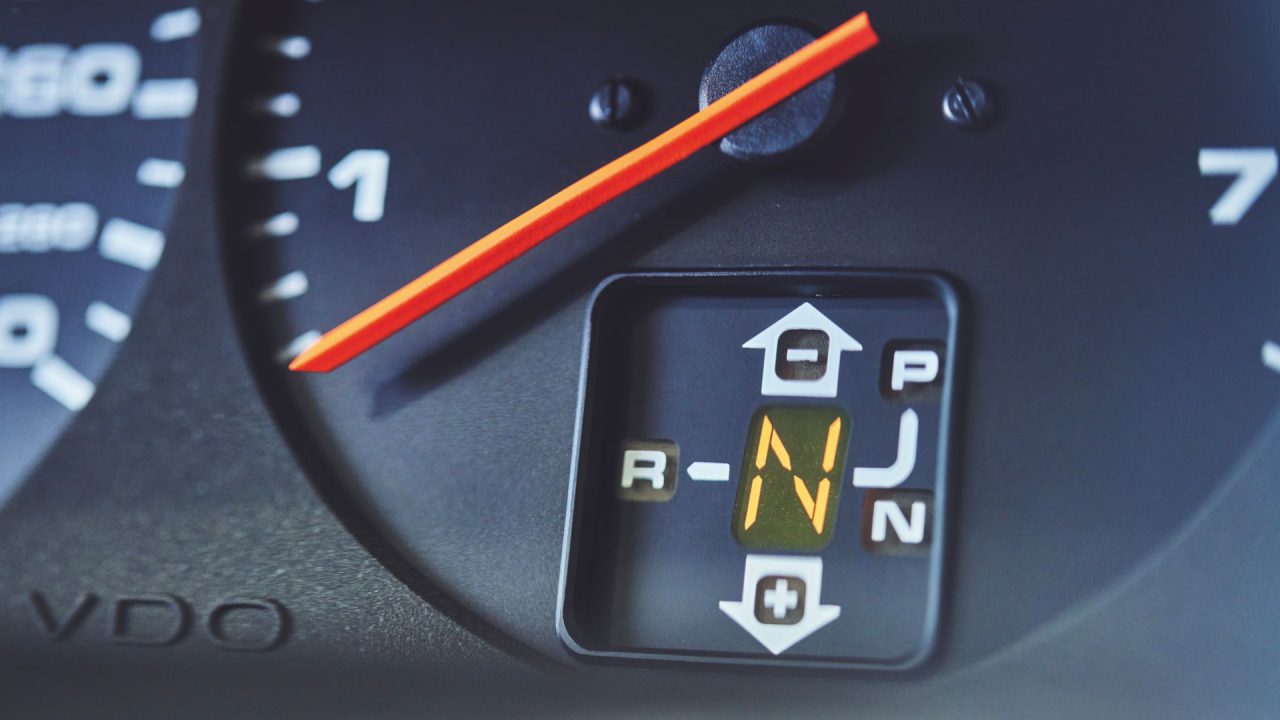
Porsche’s PDK dual-clutch automatic transmission has change into a staple within the automaker’s lineup, displacing handbook transmissions, but additionally offering faster shifts and thus faster lap instances. The man liable for all of it is an engineer named Rainer Wüst.
As recounted in a Porsche press launch, Wüst joined the automaker in 1971 as a transmission take a look at engineer. About 10 years later, he was put accountable for the preliminary PDK improvement program.
“The concept was to mix one of the best of two worlds,” Wüst stated in a press release, “the benefits within the diploma of effectivity of a handbook transmission and the potential for efficiency of full automation.”

The concept of a dual-clutch transmission truly went back even additional, although. Engineer Imre Szodfridt constructed a prototype within the Nineteen Sixties, which Wüst and his engineering crew dusted off and used as a place to begin.
“We received the Szodfridt transmission from storage and labored with pneumatic valves, which we transformed to work hydraulically,” he stated. Based on that work, they developed a prototype that was put in in a Porsche 944 Turbo. But then-development boss Helmuth Bott additionally wished to take a look at the brand new transmission in a racing atmosphere, so it was additionally used within the Porsche 956 and 962, which have been dominating sports-car racing on the time.
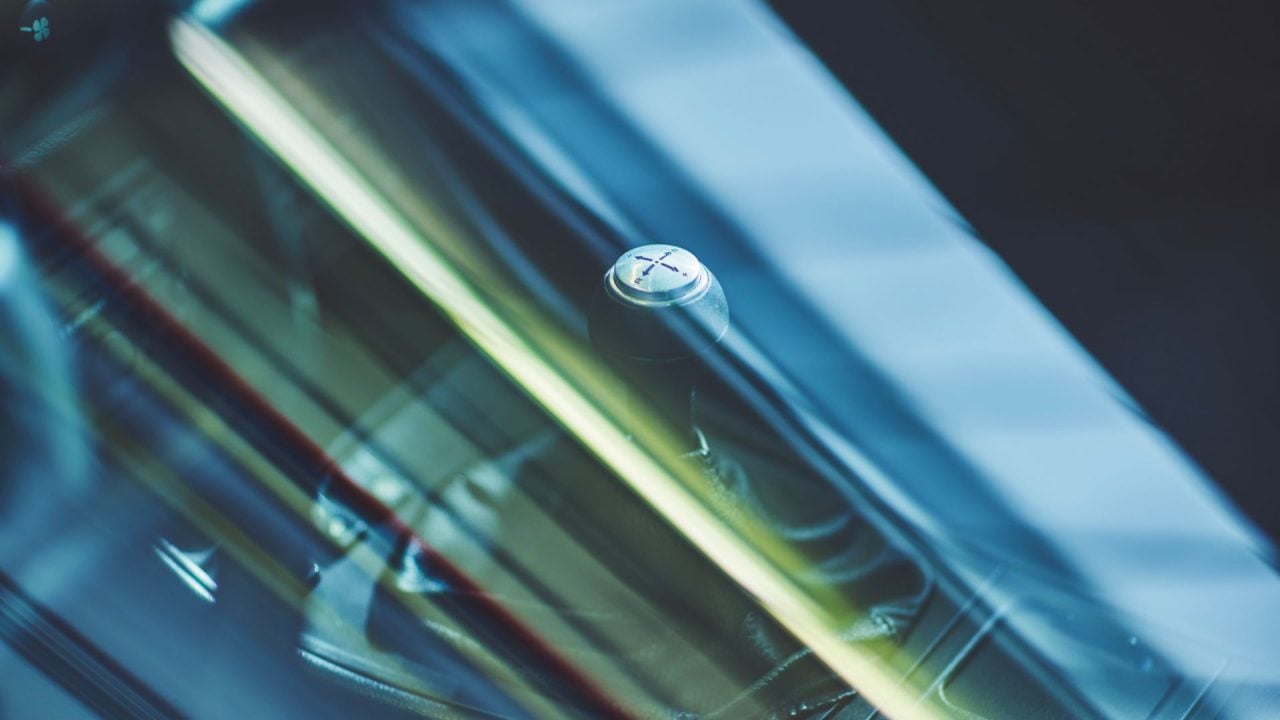
The addition of paddle shifters, a tweak Wüst attributes to racing driver Hans-Joachim Stuck, meant drivers didn’t have to take their palms off the wheel to shift. The PDK gearbox additionally made left-foot braking simpler, which means drivers may preserve the 956/962’s turbocharger spooled up always. However, shifts have been very tough, which put quite a lot of stress on the transmission. It additionally dominated out road-car use in the interim.
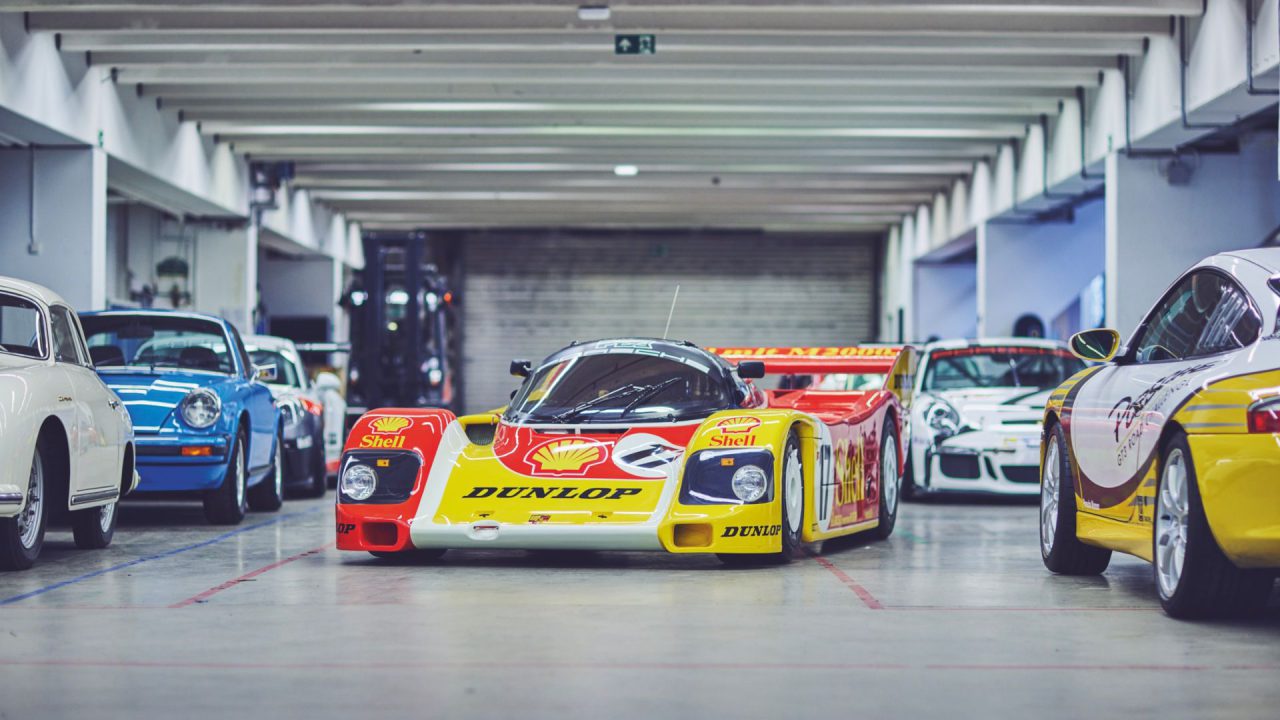
On the observe, although, Stuck and Derek Bell gained the 1986 World Sports-Prototype Championship race at Monza in a PDK-equipped 962 C. Prior to that, Walter Röhrl gained the Semperit Rally in late 1985 driving a PDK-equipped Audi Sport Quattro S1. Despite these racing successes, although, 1980s know-how wasn’t sufficiently superior for the PDK to work in series-produced highway cars.
“We have been no less than 20 years forward of our time,” Wüst stated. Components like valves and electronics weren’t the place they wanted to be for collection manufacturing, and Porsche lacked the know-how to develop a moist clutch that might have enabled smoother shifts, he famous.
That would ultimately change, in fact. After 20 years of technological development, Porsche launched its trendy PDK transmission as an possibility within the 911 in 2008—and it hasn’t regarded back.
HIGH-RES GALLERY: Porsche PDK engineer Rainer Wüst


This article was initially printed by Motor Authority, an editorial companion of ClassicCars.com.