Vauxhall proprietor Stellantis considers the way forward for the British model’s historic manufacturing websites as ZEV mandate causes complications
Since escaping the axe again in 2019, plainly the historic Vauxhall manufacturing websites within the UK are below threat as soon as extra.
Speaking on the half-year outcomes occasion, CEO of mother or father firm Stellantis, Carlos Tavares introduced that the corporate has “a specific problem to solve in the UK”, referring to the ZEV mandate which requires 22% of a maker’s automobiles and 10% of vans to be electrical, rising to 80% by 2030 and 100% by 2035, with punitive fines if these targets will not be achieved.
In the sunshine of what he described as “disappointing” outcomes, Tavares introduced the choice to set off “a strategic review of the business model, including the manufacturing footprint.”
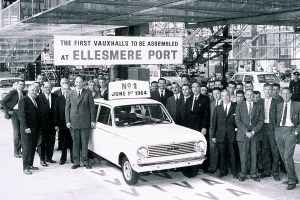
“As we have two EV plants in the UK, and as the UK government is asking for more BEVs, we cannot be in a position where our business model is damaged by the ZEV mandate,” he added. Despite ongoing discussions with the UK authorities, this clearly casts a shadow over the Stellantis manufacturing websites within the UK – the 2 former Vauxhall automobile plants at Luton and Ellesmere Port.
If the corporate did resolve to exit the UK, it could be writing off a sizeable funding, since Luton obtained a £100m improve in 2019 and Ellesmere Port £100m to change from Astra to van manufacturing.
Vauxhall was based in 1857 as a marine engine and pump producer, earlier than turning its hand to automobiles in 1903. The model was purchased by GM in 1925 and remained below the American big’s umbrella for 92 years till the PSA Group (now Stellantis) took possession. As nicely as at Luton and Ellesmere Port, Vauxhalls are actually additionally produced in Stellantis services in numerous nations round Europe.