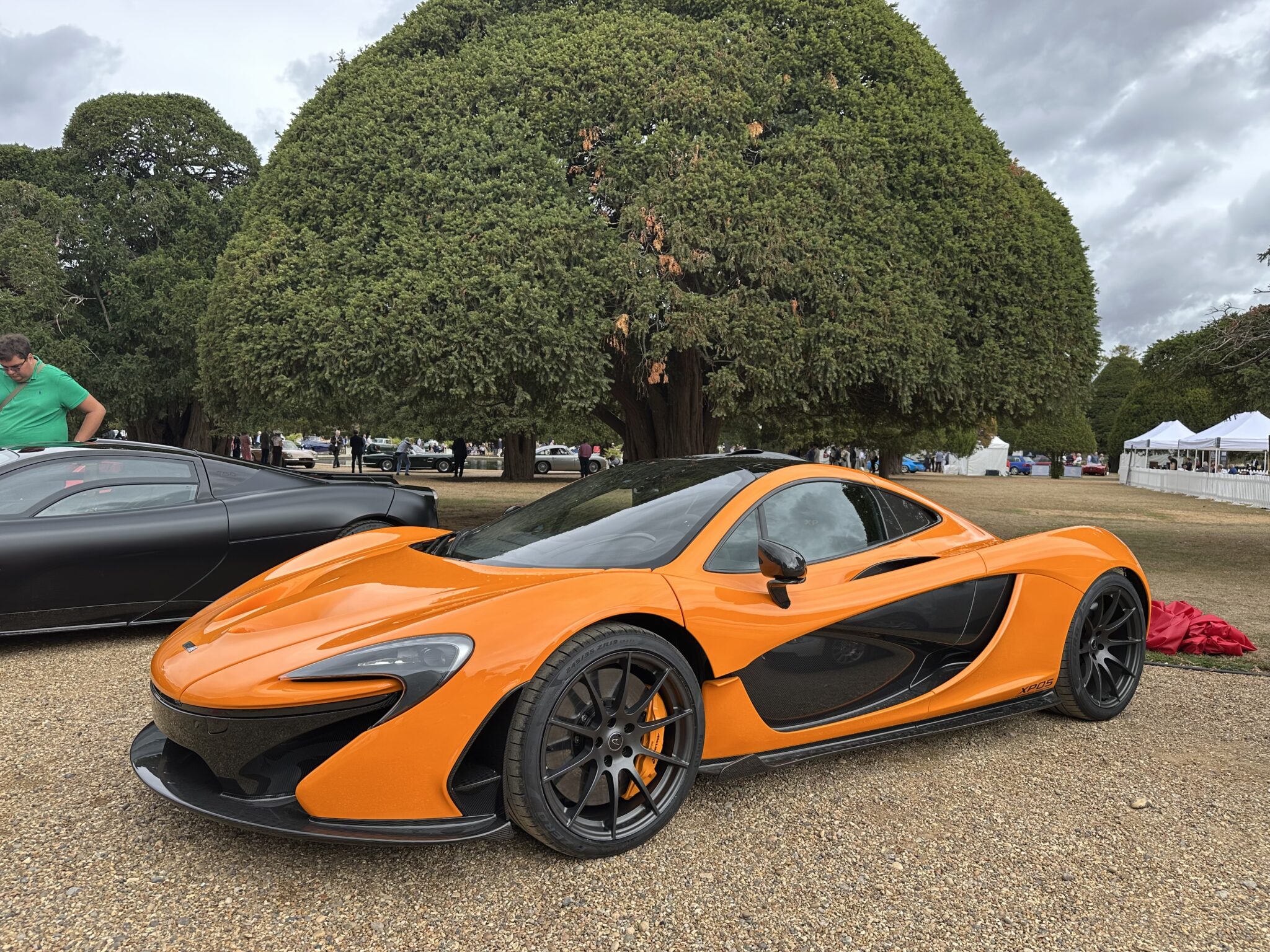
Drivers of modern classics face a ten% rise in annual VED charges, threatening the enchantment of many inexpensive fashions
Revised Vehicle Excise Duty (VED) charges launched from the beginning of this month have seen annual will increase of 10 per cent for a lot of of in the present day’s modern classics. The adjustments notably influence pre-March 2001 automobiles, with these having an engine dimension over 1549cc being the worst affected – with annual VED charges hovering to £325 per yr, a rise of £45 since 2020.
This newest transfer might put the enchantment of some 20-odd yr outdated modern classics below menace as fanatics really feel the monetary pinch amid a value of dwelling disaster.
In current years, the car taxation system was altered for older vehicles, with these constructed between March 1, 2001 and March 30, 2017 being allotted VED bands calculated on a mixture of emissions and the unique checklist value of the car. Meanwhile, pre-2001 vehicles had been divided into two classes primarily based on their engine dimension: 1549cc or under, and above 1549cc. The Chancellor’s newest Budget, delivered in March 2023, included a VED rise in keeping with the Retail Price Index (plus revisions to some VED bands) that impacts all older petrol and diesel vehicles.
Vehicles registered between March 1, 2001 and March 30, 2017 that had been in VED Band A have been moved to Band B, which signifies that tens of millions of vehicles beforehand qualifying without cost VED now pay £20 per yr. Only automobiles of that age producing 100g/km of CO2 or much less stay freed from cost, whereas essentially the most polluting automobiles (255g/km-plus of CO2) now pay as a lot as £695.
Meanwhile, pre-March 2001 automobiles with engine sizes below 1549cc now pay £200 per yr – an increase of 11 per cent year-on-year and a £30 enhance during the last three years. Vehicles with engines above 1549cc now pay £325 every year, a hike of 16 per cent since 2020. Those paying in two six-monthly instalments can pay much more.
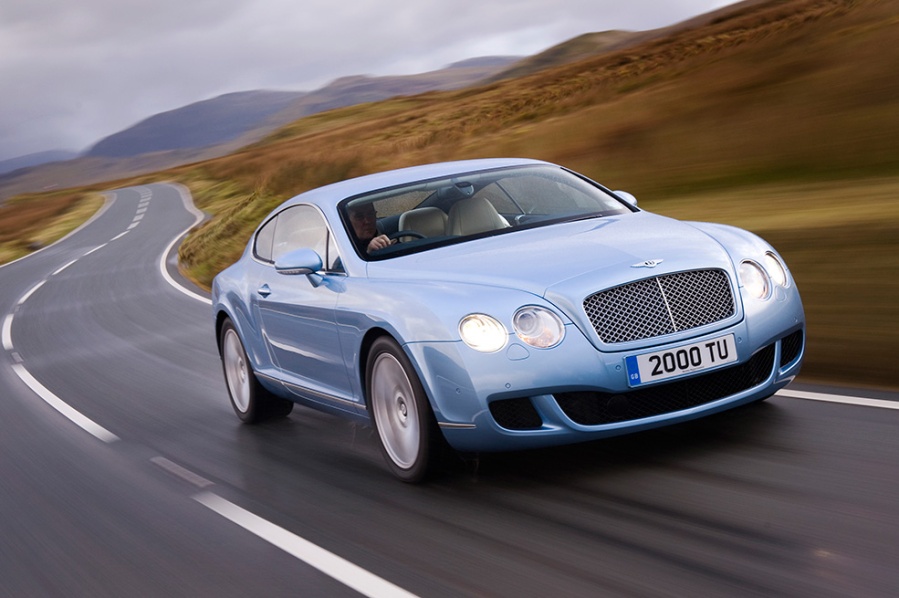
Slightly newer (2001-on) modern classics with their VED primarily based on emissions quite than engine dimension face the largest problem of all. Although many rising stars of the period could be picked up for smart cash now, the newest adjustments to car taxation make them costlier than ever to run. For instance, a 2003 Rover 75 2.5 V6 Automatic (important picture) will now price £675 per yr to tax, a rise of £90 since 2020 – and a determine that might equate to as a lot as one-third of the automotive’s worth in the present day. At the opposite finish of the size, a 2005 Bentley Continental GT (under), which may now discovered from simply £15,000, will carry an annual VED charge of £695 – a whopping £105 greater than in 2020.
Ian Cushway, editor of Future Classics journal, advised Classics World: “There are some very desirable modern classics that can now be bought in worthwhile condition for a fraction of their cost new. These range from sub-£1000 bangers right up to £15,000-plus luxury machines, and many are tipped to become genuine classics in the near future. However, a big part of their appeal is affordability, both in terms of initial outlay and annual running costs. These changes to vehicle tax could put them out of the reach of some enthusiasts.”
Those with classics which can be at the very least 40 years outdated don’t have to pay for VED (however should nonetheless tax their vehicles) so long as they’ve modified the taxation class to Historic Vehicle. The rolling exemption comes into impact each April; if a automotive is over 40 years outdated from its date of manufacture, it may be classed as ‘tax-free’. As of April 2023, automobiles constructed previous to January 1, 1983 qualify for exemption.
Are you fighting the rising price of VED? Are VED charges a think about your car-buying selections? Send us an e mail at ccb.ed@kelsey.co.uk