This 12 months’s Muscle Car and Corvette Nationals (MCACN) was a 50th highschool reunion of kinds, besides this reunion was for automobiles of the 1972 mannequin 12 months. The 12 months was vital as a result of it was the primary main government-mandated step in direction of cleaner air by way of lowered compression and the flexibility to make use of unleaded gas. The loss of horsepower was essentially the most noticeable casualty, exacerbated by rankings now measured in internet reasonably than gross horsepower. There was collateral injury as effectively — the 426 Hemi was gone, as was the 440 Six Pack (although Chrysler initially deliberate it and a couple of slipped out earlier than it was cancelled), and Ford stopped producing high-performance big-blocks.
But all was not misplaced, as efficiency automobiles have been nonetheless enjoyable and quick. Perhaps the market was transferring in a special course even with out the federal government’s intrusion, however most of the time the picture was nonetheless there with 9/10 of the efficiency. Here is an effective illustration of what you would have purchased in 1972.
If you yearned for outdated occasions regardless of the doom and gloom of low-compression, you would purchase a Chevy from Baldwin Chevrolet or elsewhere and take it to Motion Performance, who would construct you a scrappy street-fighter or go all-in on a Phase III supercar. This 1972 Camaro is the latter.
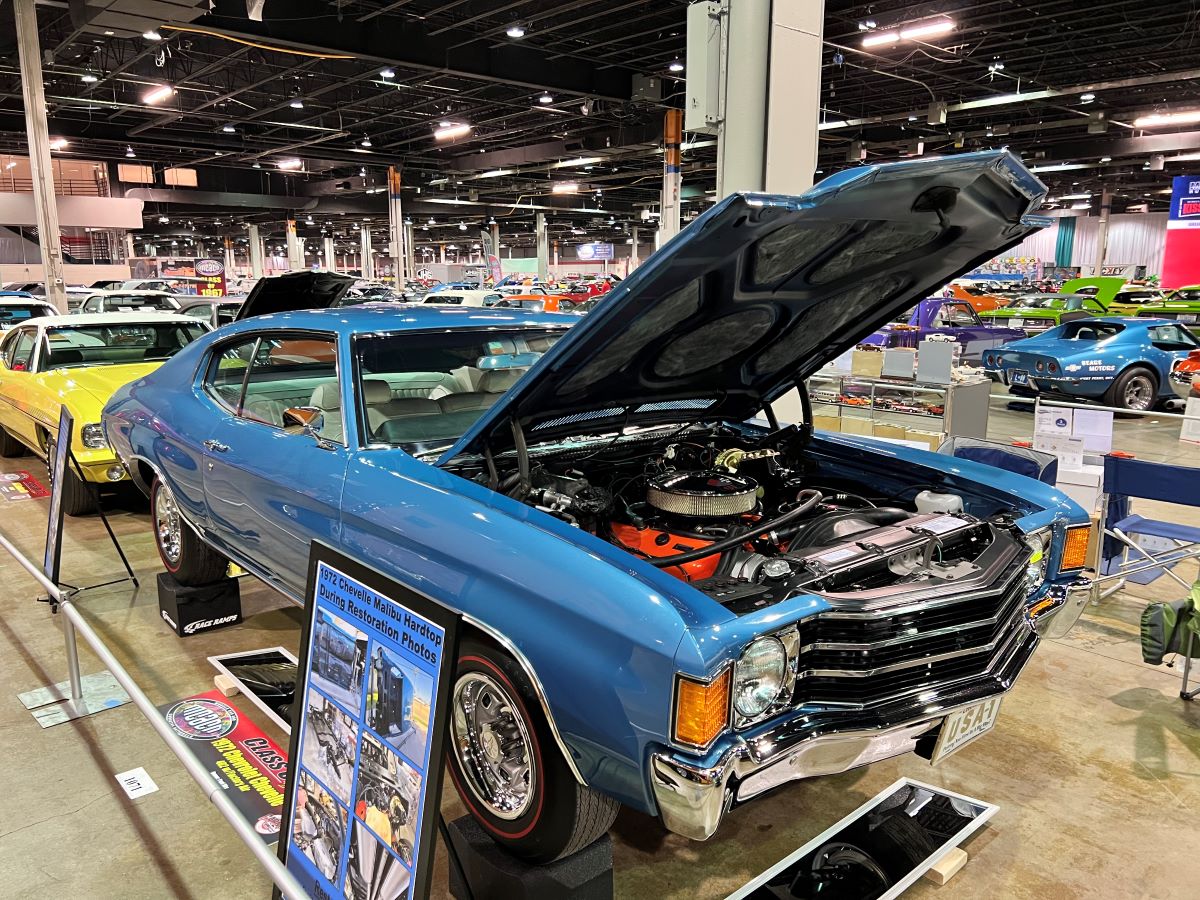
Since 1970, a discerning Chevrolet fanatic might go for a 402 in an everyday Chevelle. As high-performance engines have been attracting the wrath of the insurance coverage trade, going for a automobile like this as a substitute of a Super Sport could have been a method to keep away from surcharges, although 1972 additionally marked the primary 12 months that General Motors put an engine code within the VIN, so perhaps not? Nonetheless, this 240-horsepower 402 Chevelle is a effective instance of what considered use of the choice sheet might do.
The final of the chrome-nose Corvettes have been in 1972. The normal 350 went from 270 gross horsepower to 200 internet. The LT-1 went from 330 gross to 255 internet. The solely different possibility was the 270-horse 454.
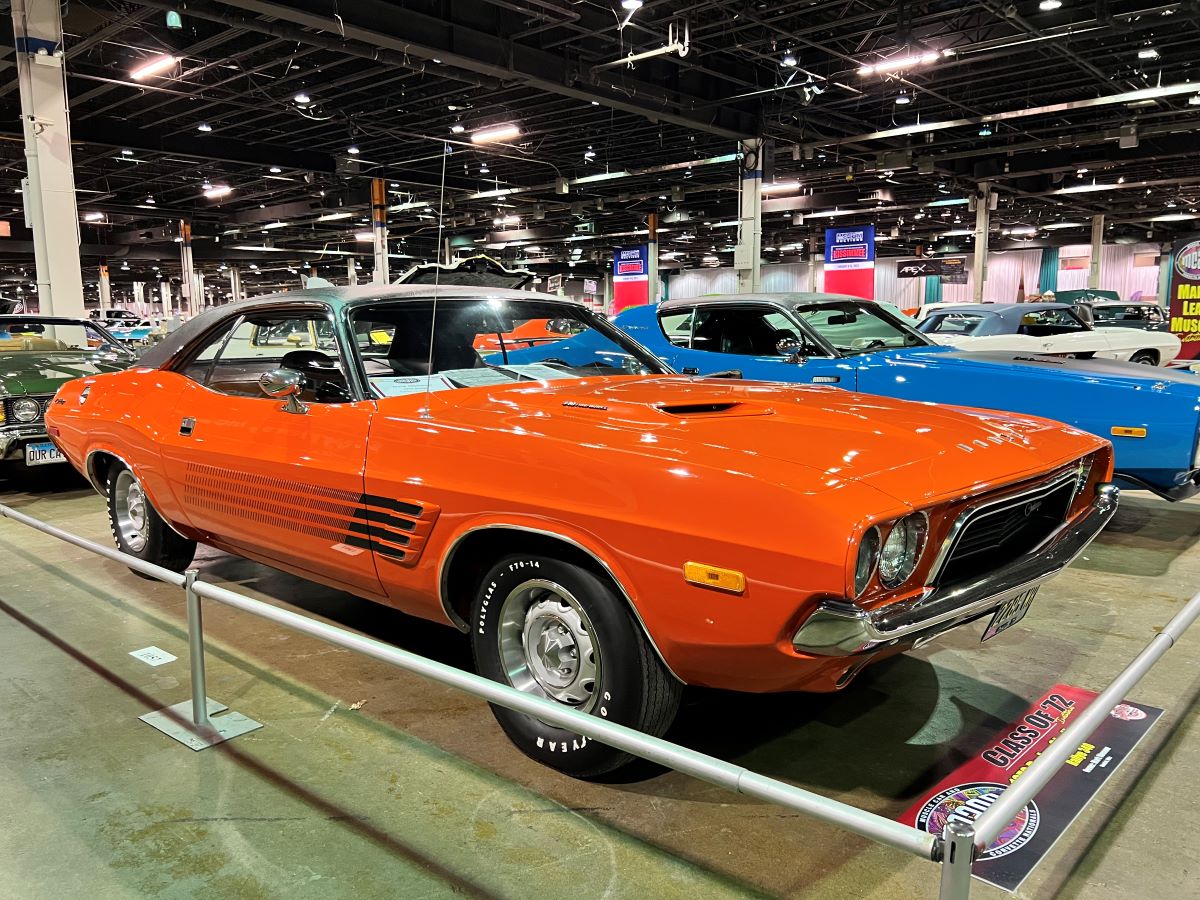
Over at Chrysler, each the Plymouth Barracuda and Dodge Challenger (facelifted for 1972) misplaced their big-blocks, leaving the 340 as the one efficiency engine. The Challenger Rallye changed the R/T and got here normal with a 318 — an indication of the occasions. Rallyes got here with entrance fender scoops with strobe stripes.
The Dodge Charger additionally misplaced the R/T mannequin and gained the Rallye package, out there on any Charger coupe or hardtop. The 318 was normal (once more, an indication of the occasions) however the 400 (the 1972 substitute for the 383), 340 and 440 have been elective. Rallye striping was barely totally different than the earlier 12 months’s R/T, however great things just like the Ramcharger air induction system remained for another 12 months.
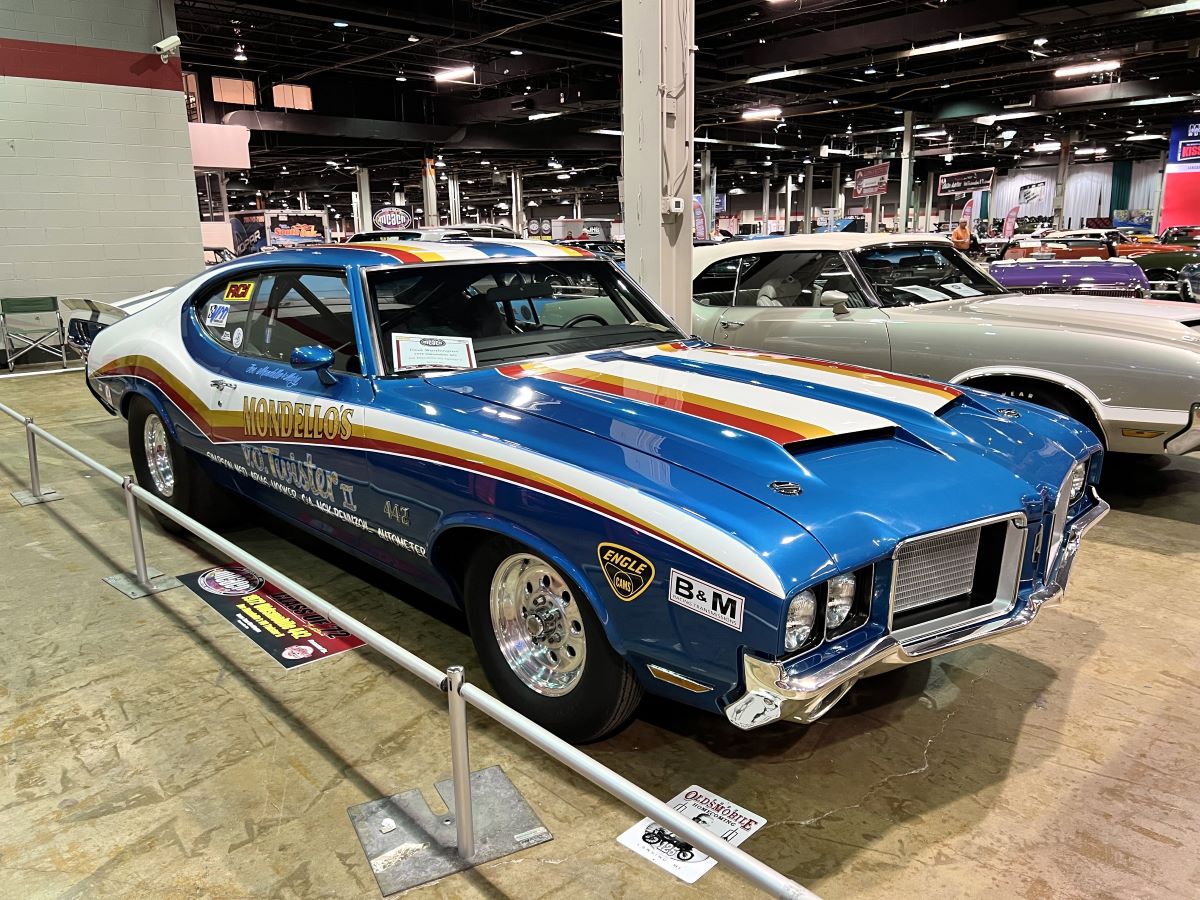
Joe Mondello raced this 1972 4-4-2 to a lot success. Mondello was one of the lads who helped make Oldsmobile aggressive in drag racing.
The 4-4-2 was now an elective bundle, out there on the Cutlass hardtop, Cutlass S Sports Coupe (with B-pillar), Cutlass S hardtop and Cutlass Supreme convertible. Standard energy was downgraded to a 350 two-barrel, although three tunes of 455ci have been out there. This Silver Pewter instance has the highest W30 bundle. Note the distinctive W30-only purple fender wells have been now not a “factor” in 1972.

This 4-4-2 convertible, additionally Silver Pewter, is one of 113 constructed with the W30 bundle for 1972. Additionally, it’s one of 33 constructed with a four-speed. Not solely was this the final of the Oldsmobile greats of the period, however it’s the final 4-4-2 convertible, as Olds debuted the Colonnade collection of Cutlasses in 1973 that didn’t embrace a convertible.
After a respite of a couple of years, Hurst was again with an Oldsmobile. The 1972 Hurst/Olds was now based mostly on the Cutlass Supreme as a substitute of the 442, out there as a proper hardtop, formal hardtop with sunroof or convertible. All have been white and gold and got here normal with a 270-horsepower 455, with a 300-horse W30 as an possibility. Pace automobile graphics have been elective.
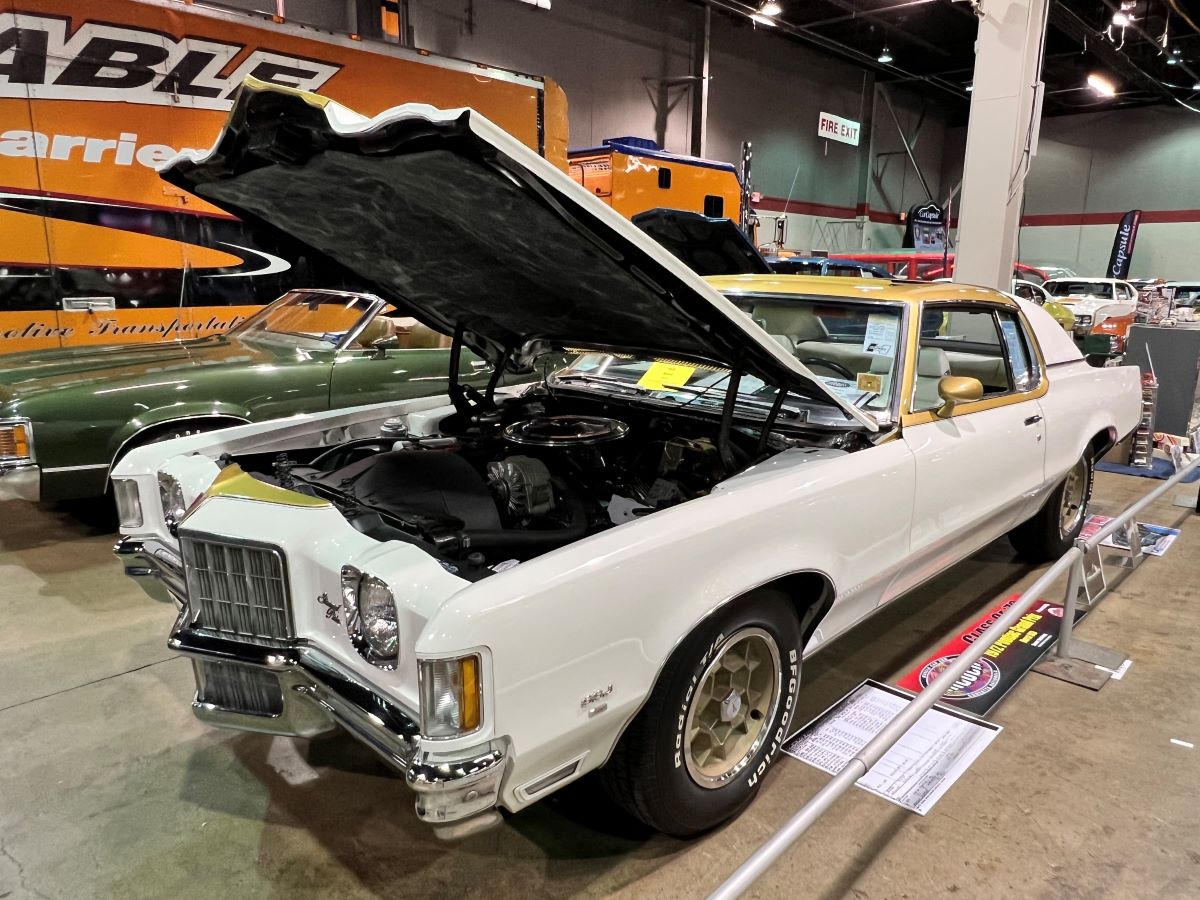
Hurst additionally labored its magic on the Pontiac Grand Prix, having finished so since 1970. Called the SSJ, they got here in black and gold, or white and gold, although patrons have been recognized to special-order them in different colours. It is estimated that 60 have been in-built 1972, the final 12 months for the SSJ.
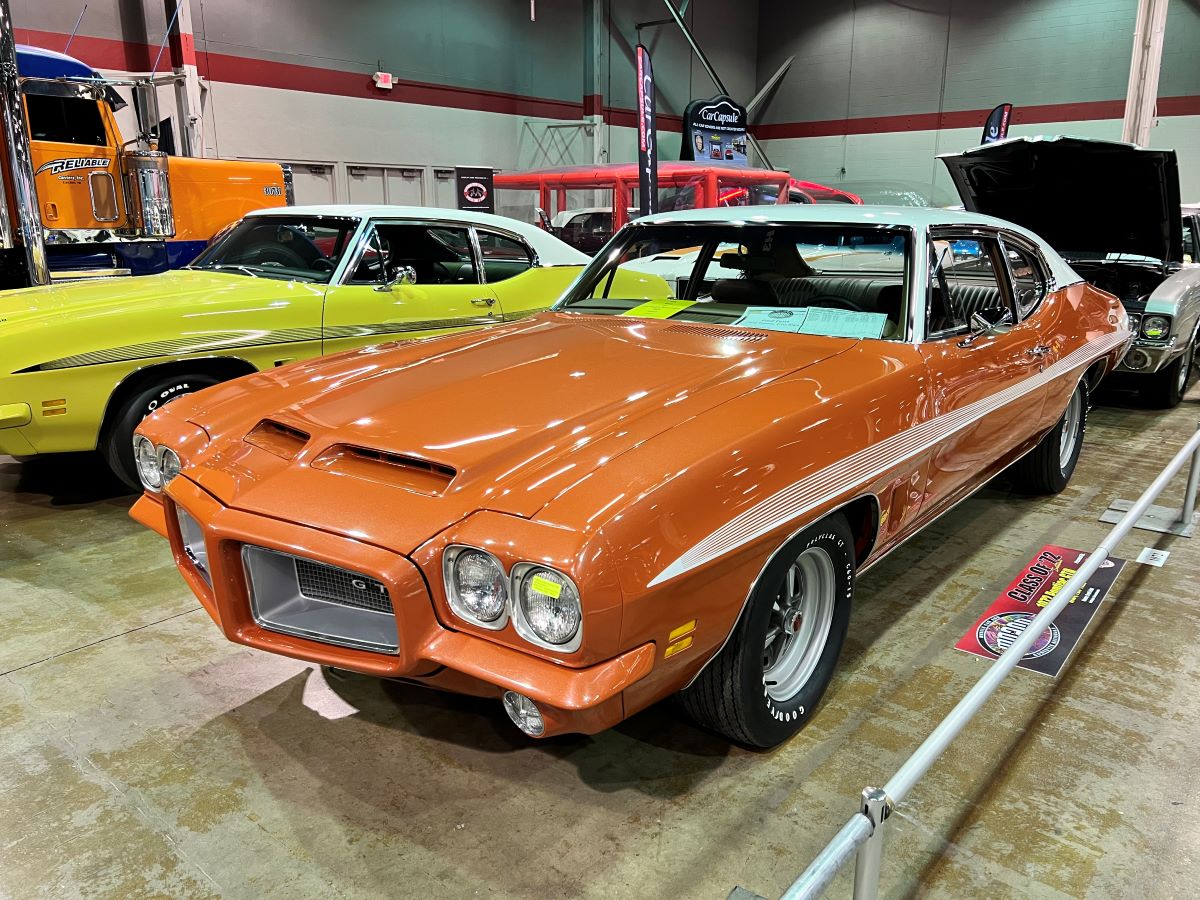
There was humorous stuff occurring at Pontiac as effectively. While Pontiac didn’t downgrade the GTO with a 350, the GTO did revert to a efficiency bundle, with the hardtop now joined by a coupe (with B-pillar) whereas the convertible was now not supplied. This Sundance Orange instance is one of 134 coupes constructed, however it’s much more particular contemplating the Cameo White painted prime and WW4 bundle, which included the Y99 Handling Package (variable-ratio energy steering, G60 x 15 tires, agency shocks, and entrance and rear stabilizers) plus 400 four-barrel (normal on the GTO), four-speed handbook, Safe-T-Track rear, energy entrance disc brakes and carpeting (which was usually elective on the coupe). Only 125 LeManses and GTOs have been constructed with this bundle.
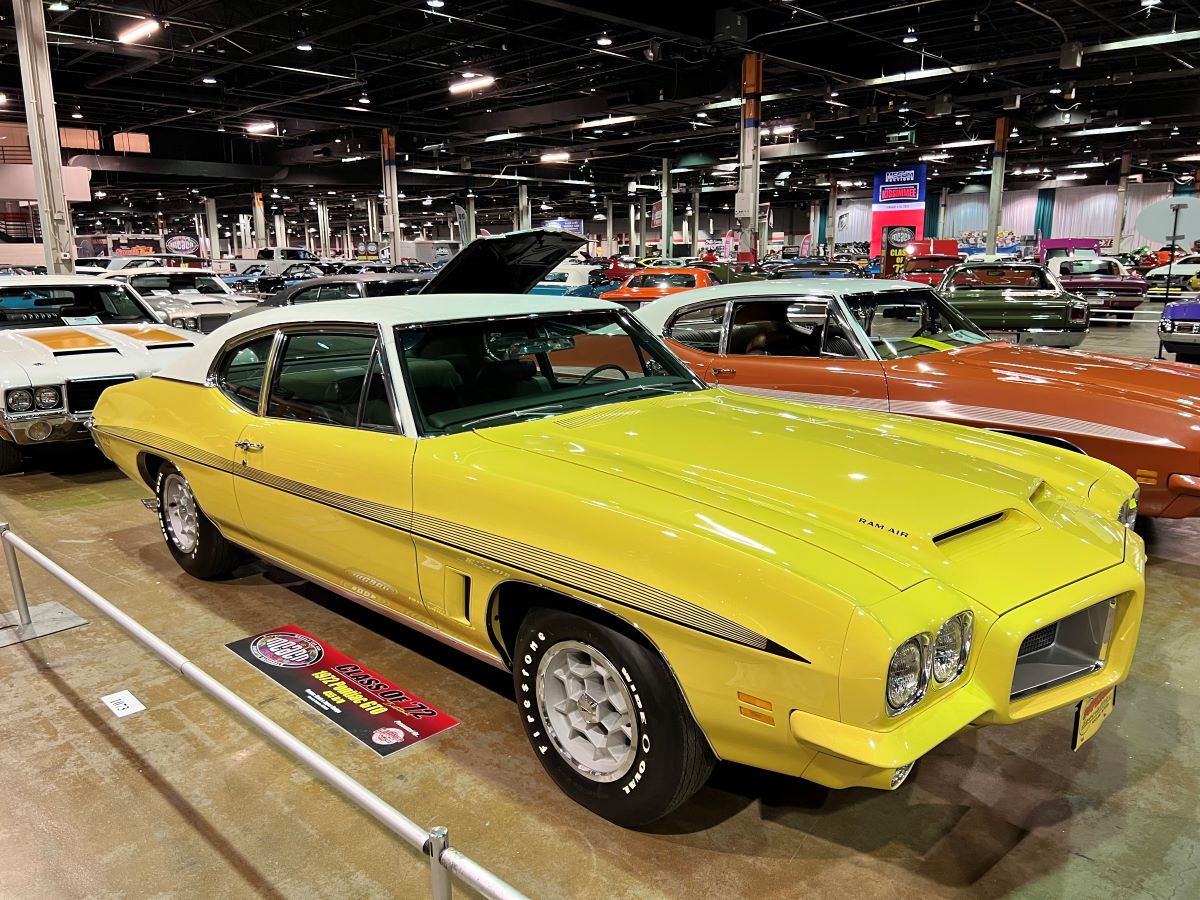
This yellow 1972 GTO isn’t any much less distinctive. It’s one of 10 coupes constructed with the 455 HO, the 300-horsepower engine that stood at the highest of Pontiac’s roster. With the black “whale” stripe, white vinyl prime and inexperienced inside, it’s simple to imagine there isn’t one other one like this.
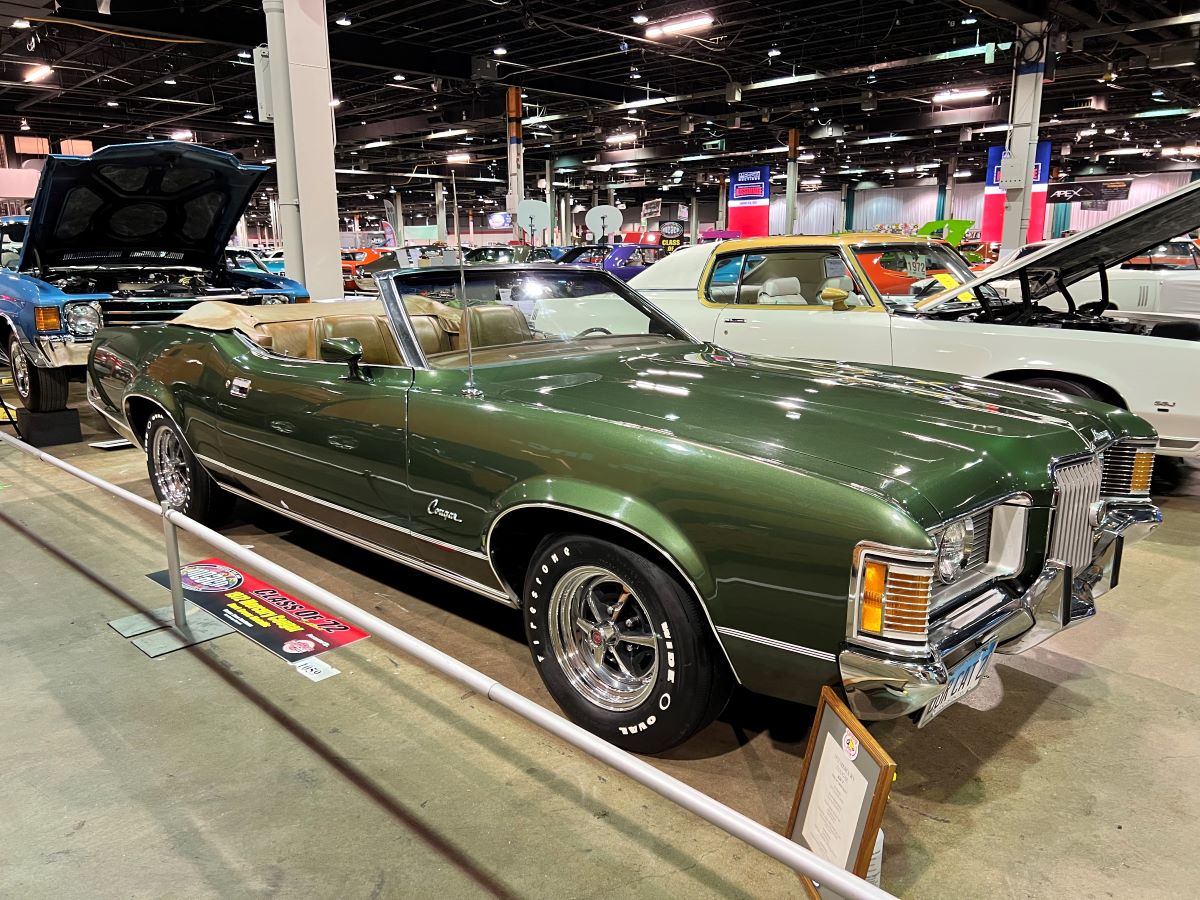
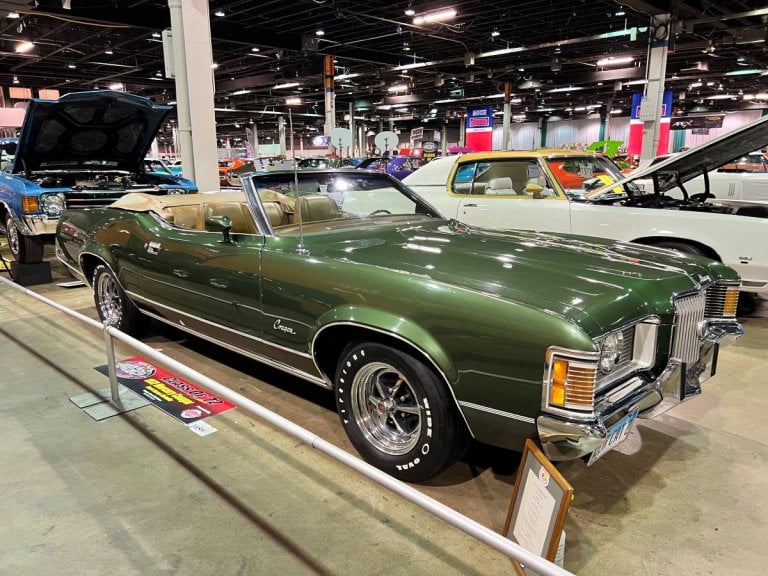
Out of all of the producers, FoMoCo’s efficiency choices took the largest hit. The 429 Cobra Jet was no extra, although the common 429 was out there with a laughable 208 horsepower. Performance followers needed to depend on the 351 as prime canine, with Cougar house owners having no different selection because the big-block was now not out there. There have been two 351 four-barrels out there for the Cougar in 1972: the common model with 262 horsepower, and that as half of the 351 CJ Performance Group, which included a 266-horse 351 Cobra Jet with twin exhausts, Competition Suspension and F70 x 14 tires. This is a Cougar XR-7 convertible.
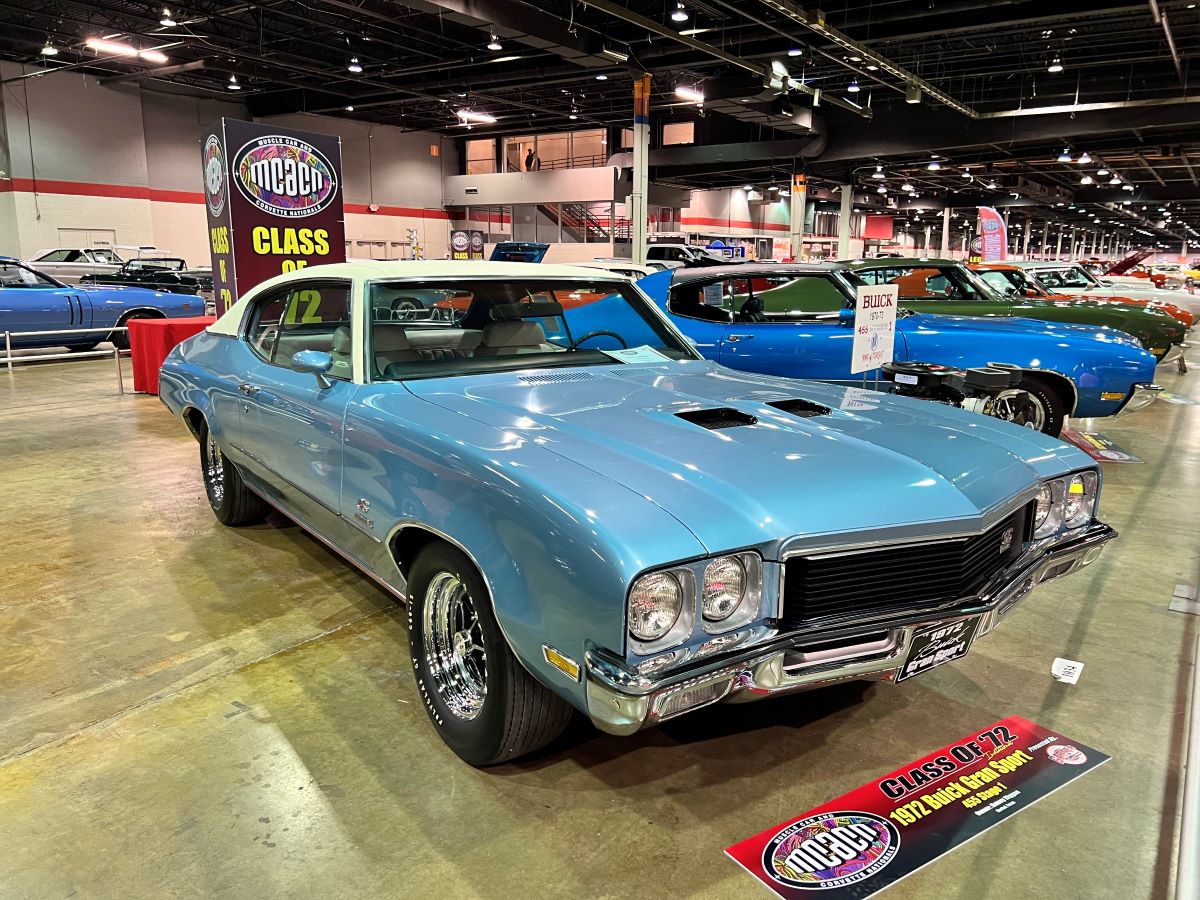
The Class of 1972 show was dominated by Buicks. Since 1970, Buick supplied one of the quickest automobiles available on the market, and the GS 455 Stage 1 continued to play that function along with having help from 350- and 455-powered Gran Sports. Luckily, Buick data are fairly sturdy for 1972, so I can fill you in with implausible statistics. For instance, 728 Stage 1 hardtops were built, with 15 painted in Crystal Blue. Of these, 5 had a vinyl prime.
By far, the most well-liked colour amongst 1972 GS Stage 1 hardtops was Flame Orange with 109 constructed. Of these, 57 featured the highest in the identical colour.
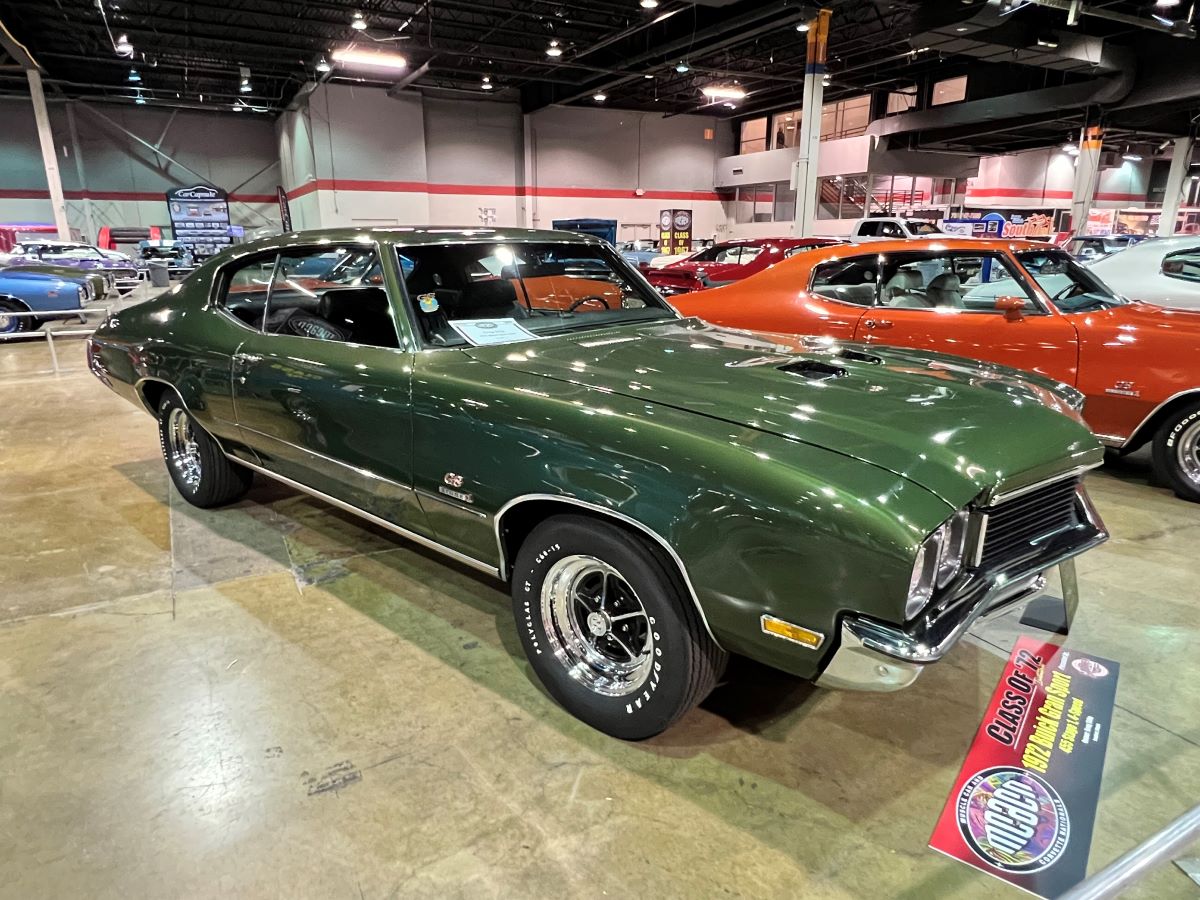
Though earthtones have been widespread, it appears Buick constructed solely 24 Hunter Green GS Stage 1 hardtops have been constructed, with 16 that includes no vinyl prime.
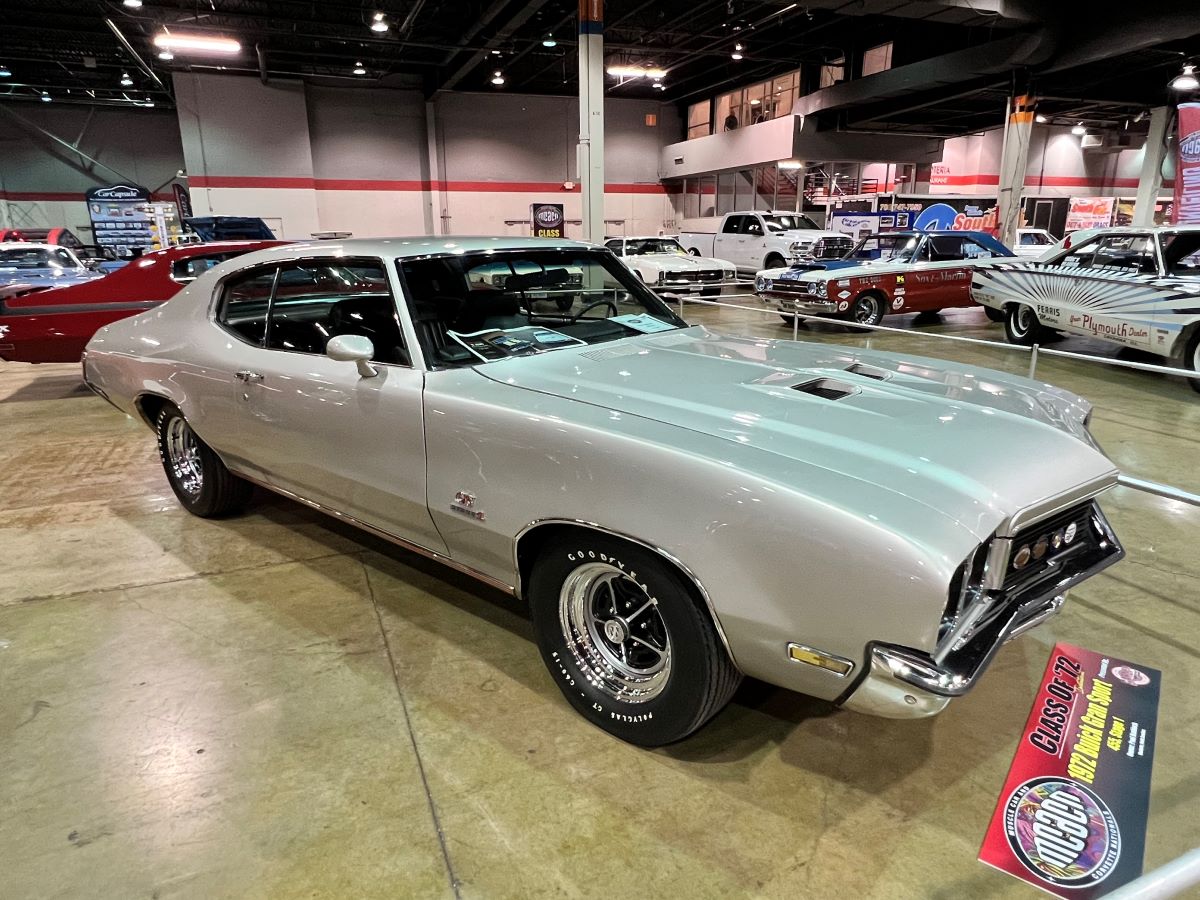
Fifty Silver Mist Stage 1 hardtops have been in-built 1972, with 15 of them having a painted prime in the identical colour.
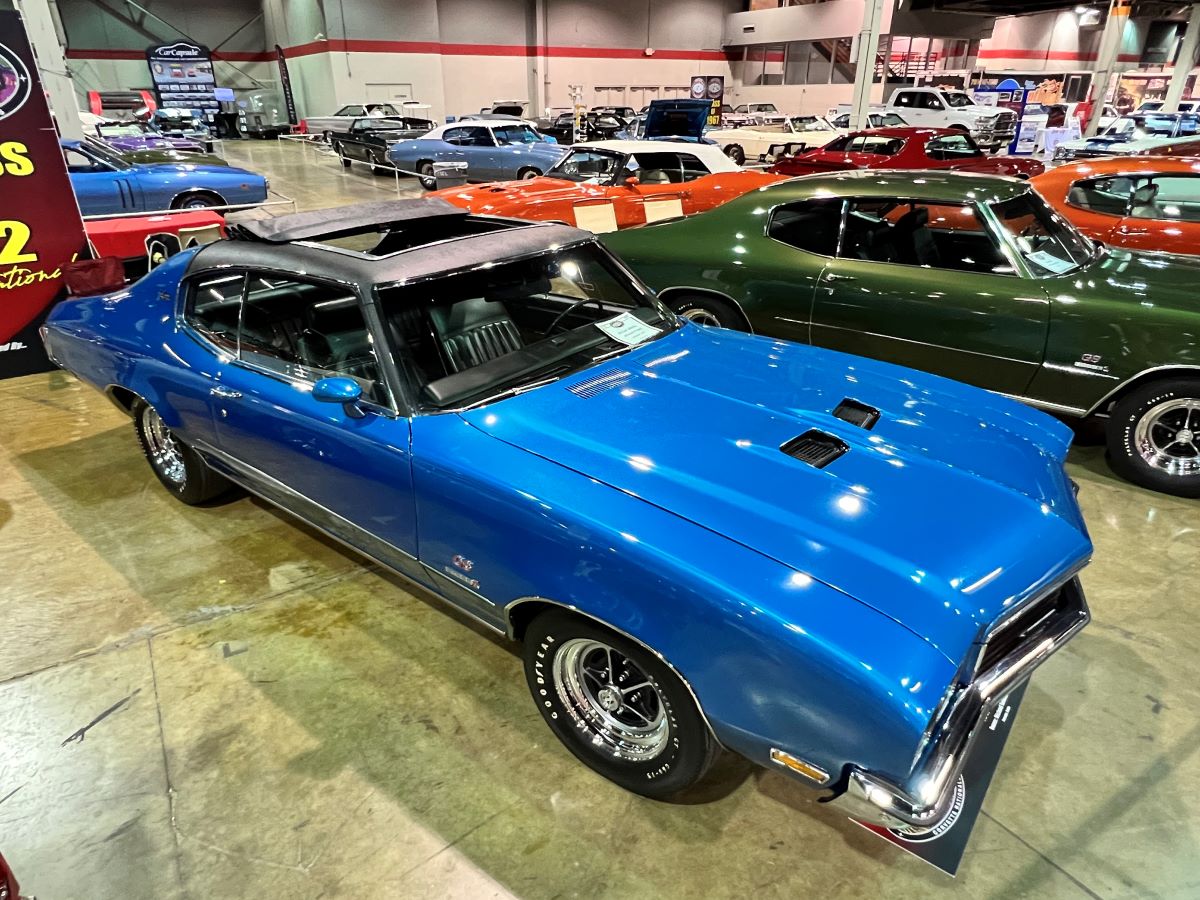
Stratomist Blue is considerably of an evergreen colour for Buicks of this period, and it’s #2 in recognition amongst Stage 1 hardtops with 79 constructed. Twenty of these have been constructed with a black vinyl prime, however this one is a Sun Coupe, that means it has a sliding sunroof with a folding vinyl prime — solely six Stage 1 Sun Coupes have been constructed.
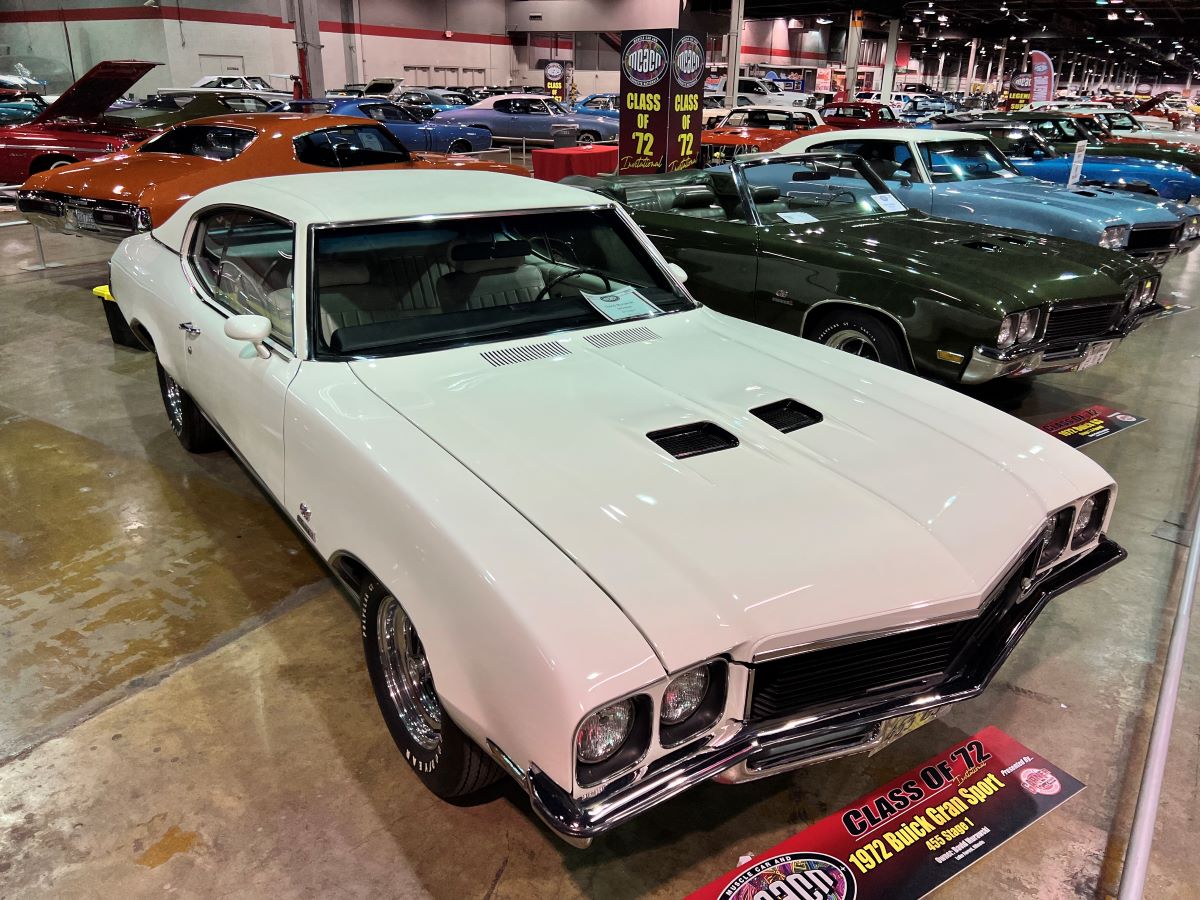
Fifty-five Stage 1 hardtops have been in-built Arctic White. Interestingly, 15 have been constructed with a white vinyl prime.
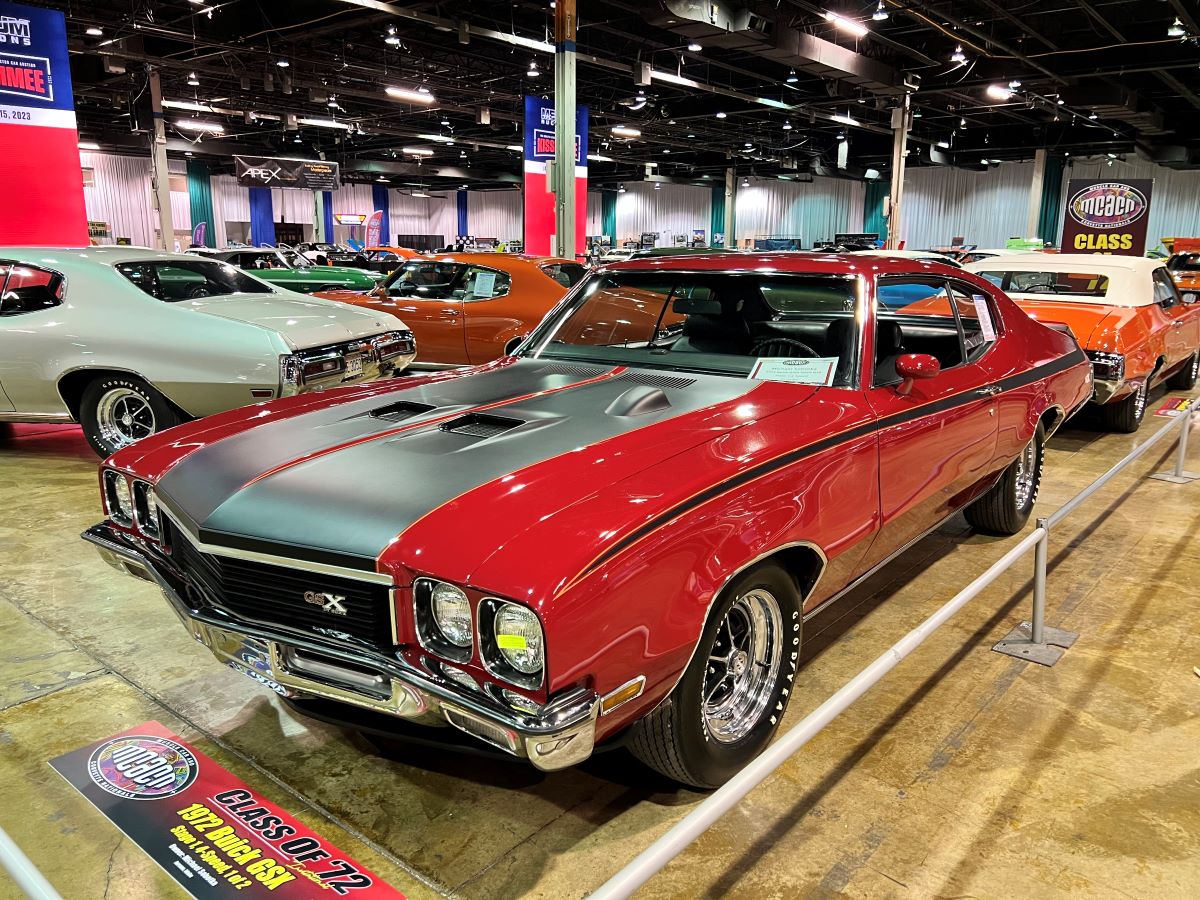
Buick constructed 44 GS hardtops with the GSX package for 1972. Twenty-four have been constructed with the Stage 1 engine, with two having the four-speed handbook like this one. It’s additionally one of 4 in-built Fire Red, with two having an identical prime like this one.
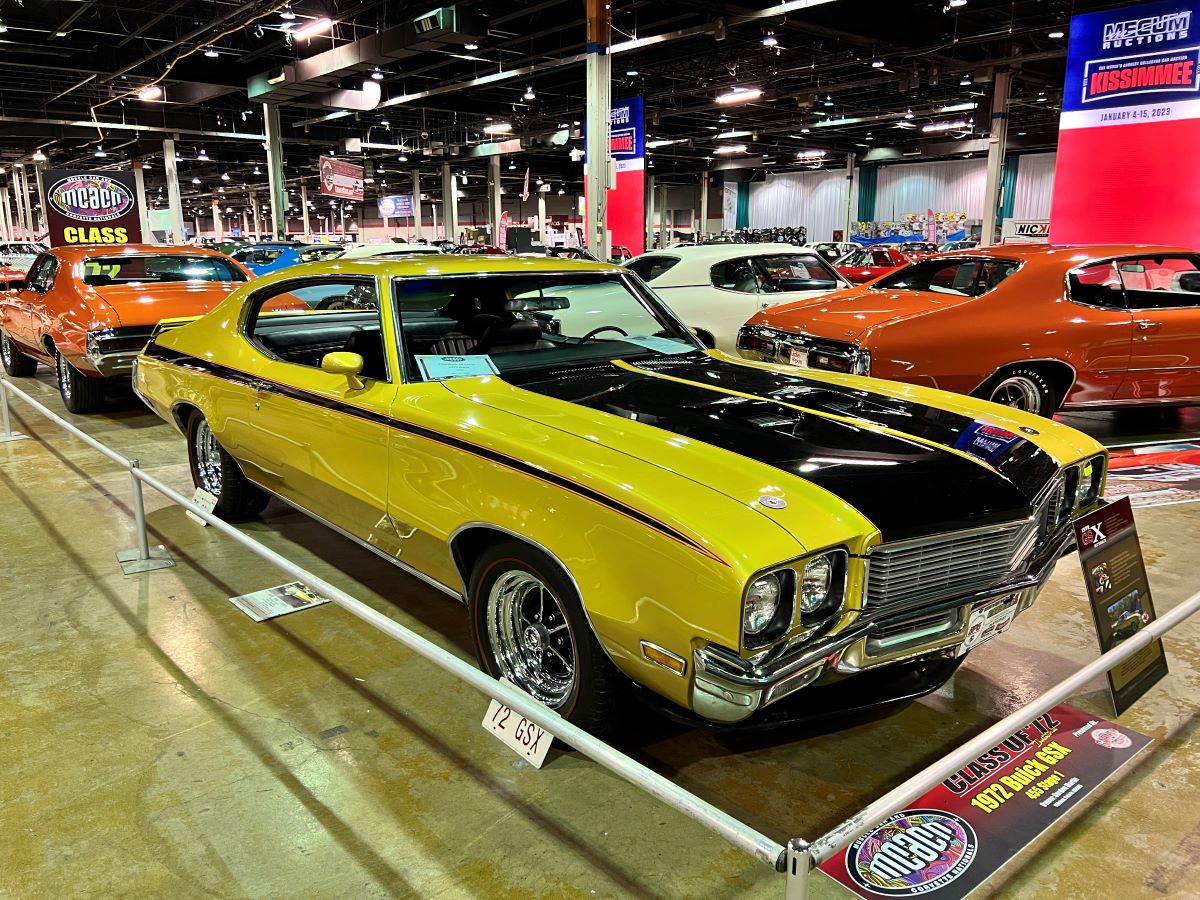
This Cortez Gold GSX is one of 22 constructed with the Stage 1/computerized combo. Six have been constructed on this colour, with 5 not having a vinyl prime.
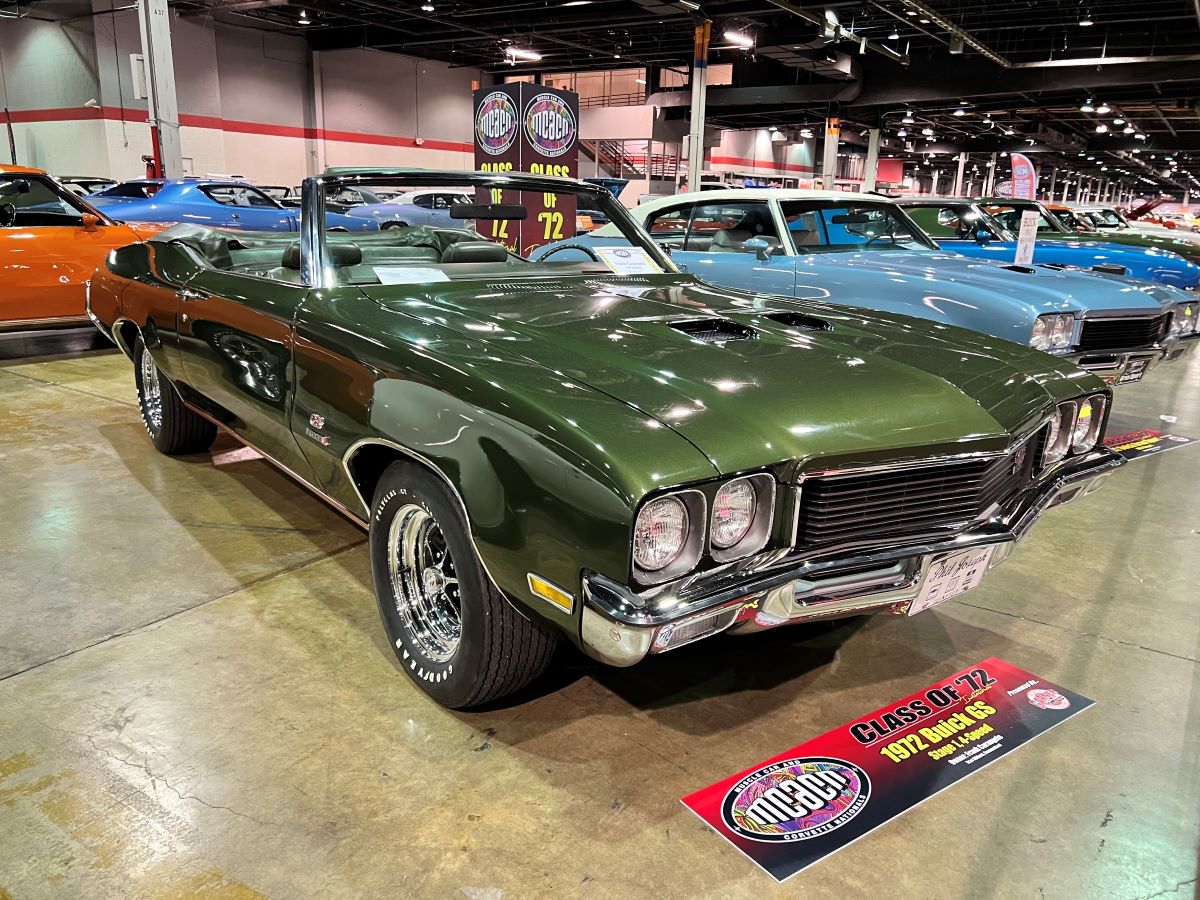
Buick built 81 GS Stage 1 convertibles, with 15 shifted by a four-speed. Seven out of the 81 have been painted Hunter Green.
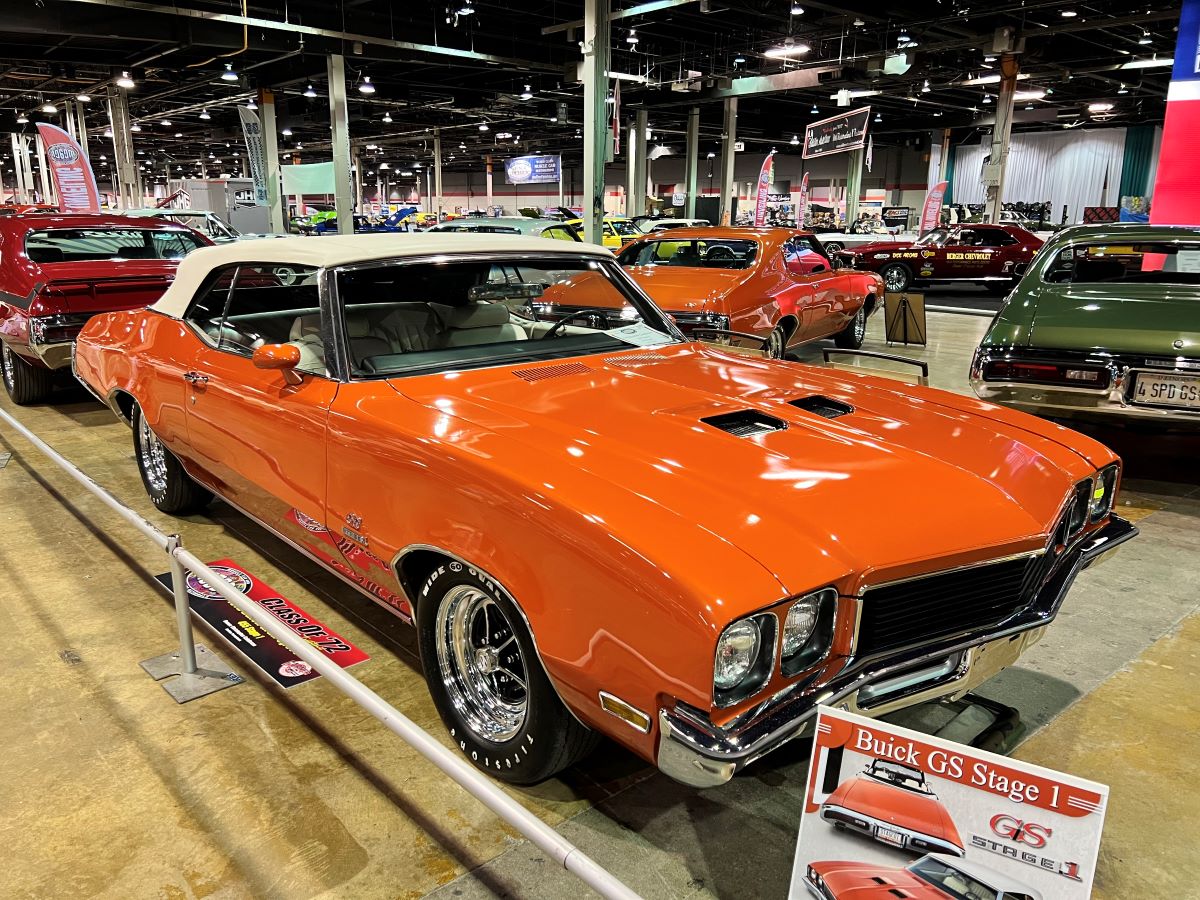
Thirty GS Stage 1 convertibles have been in-built Flame Orange, by far the most well-liked colour. Twenty-eight of them had a white prime like this one.